








SILENCED COLORS:
LGBTQIA+ Persecution in the Age of Fascism
- Atilla Tiriyaki
- Average Reading Time: 20 minutes
- Community
- articles, atillat, guides
Calling someone a fascist today is often seen as an insult, a powerful word that has a long, difficult association and a troubling history and is based on an ideology that typically appears and has roots within far-right politics and movements. With many more far-right or right-leaning politicians gaining influence and winning political power, we are seeing more rhetoric, characteristics, and behaviours long linked to fascism reappearing. The most common or go-to strategy used by fascists is that of divide and conquer, by creating division amongst societies, highlighting differences and playing on people’s fears, and one that targets and focuses on the most vulnerable and those perceived as different within society, an approach and ideology which historically has targeted specific groups within the LGBTQIA+ community. Explore Fascism and its troubling fascination with LGBTQIA+ individuals, and what the future might hold for the community.
DISCLAIMER
All published articles are intended for an audience aged 18 years and over and have been written by members of the general public. Many will likely not be journalists nor be affiliated with any professional bodies associated with members of the media. The articles will likely be based on the authors' own opinions, views, and experiences...more
The desire and drive to control the many, to hold absolute, unquestionable power, have been sought by many throughout history. Whether Emperors enslaving whole countries or regimes that controlled their population through fear and repression, the concept is not new. Though Fascism is traditionally a far-right, authoritarian and ultra- nationalist movement and ideology, it was only in the early 20th century that it rose to prominence. Born out of the effects of war, economic hardship and a perceived threat to the fabric of society, a movement culminating with a dictatorial leader, with a centralised power structure and the suppression of anyone in opposition, with those gaining power doing so by dividing society and weaponising difference.
Many of those seeking fascist-level power will often adopt a smoke-and-mirror approach. Creating and controlling the narrative, media and stories, playing on the hopes and fears of the masses. The promise of a better future, the removal of the perceived threat and a special status for those within society who support the movement. A smoke-and-mirrors approach, because these types of movements often come across as seemingly harmless, and the threat is only realised when they reach their goal and change the system that helped them get elected.
Fascist movements have gained considerable power and control since the early 1900s; however, most are short-lived, or those in power are removed due to conflict, uprising or the upholding of democratic processes. With the LGBTQIA+ community often an easy target for the fascist movement, let us explore what fascism is, the playbook they will frequently use and the complicated relationship with the LGBTQIA+ community.
Many of those seeking fascist-level power will often adopt a smoke-and-mirror approach. Creating and controlling the narrative, media and stories, playing on the hopes and fears of the masses. The promise of a better future, the removal of the perceived threat and a special status for those within society who support the movement. A smoke-and-mirrors approach, because these types of movements often come across as seemingly harmless, and the threat is only realised when they reach their goal and change the system that helped them get elected.
Fascist movements have gained considerable power and control since the early 1900s; however, most are short-lived, or those in power are removed due to conflict, uprising or the upholding of democratic processes. With the LGBTQIA+ community often an easy target for the fascist movement, let us explore what fascism is, the playbook they will frequently use and the complicated relationship with the LGBTQIA+ community.
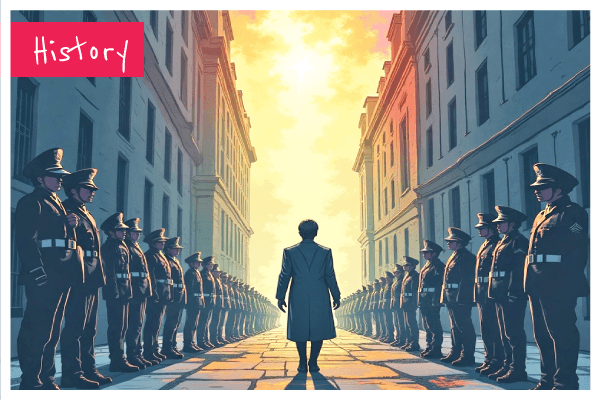
The term fascism derives from the Latin fasces and the Italian fascismo, both meaning a bundle of sticks. A translated term represents the coming together and formation of a movement from groups, guilds and syndicates who share similar goals and objectives, emphasising the power of the collective in enacting change. The concept and foundation of fascism were born from the works of the Greek philosopher Plato, specifically his dialogue The Republic. Plato, in around 375 BC, authored one of the world’s most influential works of philosophy and political theory, focusing on justice, the nature of the ideal state, and the role of the philosopher in society, such as the emphasis on the need for a philosopher king in an ideal state and the Tripartite soul and class structure.
The fascist movement grew in prominence after the devastating effects of World War one, with many countries involved in the war struggling to recover from the impact on their people, economy and communities. Italy, which switched from the Central Powers to the Allied coalition, joined countries such as France, the United Kingdom and the United States. Part of the condition of changing sides in the war was the promise of territorial expansion. In over 3 years of being part of the war, it is estimated that Italy lost a considerable number of lives, approximately 650,000 soldiers and civilians and over 950,000 were injured. The substantial loses, around 4% of total deaths recorded, reflected the intense fighting on the Italian front, particularly in the Alps and Trentino regions.
When the Allied forces won the war, Italy gained territories in South Tyrol, Trentino, and Istria. Even with the gains, many Italians felt the territories they were given fell short of what they had been promised, leading to dissatisfaction and a sense of betrayal. The war also had a devastating impact on Italy’s economy, with inflation and unemployment rising and damage to the country’s infrastructure leading to increased social unrest. Coupled with calls for societal change, such as improved workers’ rights and social reforms, and divisions between regions, primarily between the north and south of the country, Italy began to experience political instability and a rise in the popularity of far-right and nationalist parties.
In 1919, one year after the end of the war, a journalist and politician, Benito Mussolini, founded the Italiani di Combattimento (Italian Combat Fasces), Italy’s Fascist party, which promoted nationalist, anti-communist, and anti-socialist ideas, quickly gaining popularity among those veterans from the recently fought war and those disillusioned with the government. In 1922, Mussolini, who was growing in popularity, organised the march on Rome to demand power. With over 30,000 people involved in the march, the then king of Italy, Victor Emmanuel II, fearful of backlash, invited Mussolini to form a government, which he formed in 1922, appointing himself as Prime Minister.
Once in power, Mussolini and his government gradually began to dismantle democratic institutions, and within three years, by 1925, Mussolini had consolidated total control over Italy, establishing a Fascist and totalitarian state. Mussolini drew inspiration from the teachings of Plato, keeping a copy of Plato’s dialogue The Republic in his home office. Similar political ideas to those in Italy began to appear in Germany, which also faced economic hardships, rising unemployment, and societal divisions. The Nazi Party, officially known as the National Socialist German Workers’ Party (Nationalsozialistische Deutsche Arbeiterpartei or NSDAP), was formed in 1919.
The Nazi Party was initially a small political group and movement; it was not until 1920 that Adolf Hitler became its leader. Adolf was known for giving powerful speeches, using propaganda and misinformation, as well as the use of symbolism (like the swastika) to attract supporters. The party struggled for many years to gain widespread support and electoral success, as it was relatively small and viewed as an extremist group with limited influence. The party’s platform was built around the destruction of the Weimar Republic, opposition to the Treaty of Versailles —the peace agreement signed at the end of World War I that imposed restrictions and reparations on Germany, as well as radical antisemitism and anti-Bolshevism.
In 1929, when the United States stock market crashed, Germany was adversely affected. Millions became unemployed, and several major banks collapsed. The economic downturn and hardship saw the Nazi party take advantage of the emergency to gain support for their party. The Nazi party promised a strong central government, better living conditions for the Germanic peoples, the formation of a national community based on race, and racial cleansing. Proposed national and cultural renewal based upon the Völkisch movement, with the targeting of the Jewish population within Germany, who would be stripped of their citizenship and civil rights. The hardships faced by ordinary Germans saw the popularity of the Nazi party rise as many Germans believed that Jewish people were responsible for all of Germany’s problems, including economic hardship, social unrest, and ultimately their defeat in World War one.
By the early 1930s, the Nazi Party had become the largest party in the German parliament, the Reichstag, leading to Hitler’s appointment as Chancellor in 1933. In the years leading up to World War two, Hitler rebuilt the German military in defiance of the Treaty of Versailles, annexed Austria in 1938, and finally invaded Poland in 1939, which immediately triggered the war. World War two saw Germany’s Nazi Party under Adolf Hitler and Italy’s Fascist Party, under Benito Mussolini, become close allies with many of their interests aligned, forming the Axis powers, with Japan.
World War II was a devastating global conflict, one of the deadliest wars in history, which lasted from 1939 to 1945. It involved most of the world’s nations and was fought primarily between the Allies (including the United States, the United Kingdom, the Soviet Union, and China) and the Axis Powers (Germany, Italy, and Japan). It is estimated that around 3% or over 70 million of the world’s population, including civilians and soldiers, died, as well as many cities were destroyed, and millions of people became refugees. World War II reshaped the world order, caused immense suffering, and left a legacy that continues to influence global politics and society today.
The fascist movement grew in prominence after the devastating effects of World War one, with many countries involved in the war struggling to recover from the impact on their people, economy and communities. Italy, which switched from the Central Powers to the Allied coalition, joined countries such as France, the United Kingdom and the United States. Part of the condition of changing sides in the war was the promise of territorial expansion. In over 3 years of being part of the war, it is estimated that Italy lost a considerable number of lives, approximately 650,000 soldiers and civilians and over 950,000 were injured. The substantial loses, around 4% of total deaths recorded, reflected the intense fighting on the Italian front, particularly in the Alps and Trentino regions.
When the Allied forces won the war, Italy gained territories in South Tyrol, Trentino, and Istria. Even with the gains, many Italians felt the territories they were given fell short of what they had been promised, leading to dissatisfaction and a sense of betrayal. The war also had a devastating impact on Italy’s economy, with inflation and unemployment rising and damage to the country’s infrastructure leading to increased social unrest. Coupled with calls for societal change, such as improved workers’ rights and social reforms, and divisions between regions, primarily between the north and south of the country, Italy began to experience political instability and a rise in the popularity of far-right and nationalist parties.
In 1919, one year after the end of the war, a journalist and politician, Benito Mussolini, founded the Italiani di Combattimento (Italian Combat Fasces), Italy’s Fascist party, which promoted nationalist, anti-communist, and anti-socialist ideas, quickly gaining popularity among those veterans from the recently fought war and those disillusioned with the government. In 1922, Mussolini, who was growing in popularity, organised the march on Rome to demand power. With over 30,000 people involved in the march, the then king of Italy, Victor Emmanuel II, fearful of backlash, invited Mussolini to form a government, which he formed in 1922, appointing himself as Prime Minister.
Once in power, Mussolini and his government gradually began to dismantle democratic institutions, and within three years, by 1925, Mussolini had consolidated total control over Italy, establishing a Fascist and totalitarian state. Mussolini drew inspiration from the teachings of Plato, keeping a copy of Plato’s dialogue The Republic in his home office. Similar political ideas to those in Italy began to appear in Germany, which also faced economic hardships, rising unemployment, and societal divisions. The Nazi Party, officially known as the National Socialist German Workers’ Party (Nationalsozialistische Deutsche Arbeiterpartei or NSDAP), was formed in 1919.
The Nazi Party was initially a small political group and movement; it was not until 1920 that Adolf Hitler became its leader. Adolf was known for giving powerful speeches, using propaganda and misinformation, as well as the use of symbolism (like the swastika) to attract supporters. The party struggled for many years to gain widespread support and electoral success, as it was relatively small and viewed as an extremist group with limited influence. The party’s platform was built around the destruction of the Weimar Republic, opposition to the Treaty of Versailles —the peace agreement signed at the end of World War I that imposed restrictions and reparations on Germany, as well as radical antisemitism and anti-Bolshevism.
In 1929, when the United States stock market crashed, Germany was adversely affected. Millions became unemployed, and several major banks collapsed. The economic downturn and hardship saw the Nazi party take advantage of the emergency to gain support for their party. The Nazi party promised a strong central government, better living conditions for the Germanic peoples, the formation of a national community based on race, and racial cleansing. Proposed national and cultural renewal based upon the Völkisch movement, with the targeting of the Jewish population within Germany, who would be stripped of their citizenship and civil rights. The hardships faced by ordinary Germans saw the popularity of the Nazi party rise as many Germans believed that Jewish people were responsible for all of Germany’s problems, including economic hardship, social unrest, and ultimately their defeat in World War one.
By the early 1930s, the Nazi Party had become the largest party in the German parliament, the Reichstag, leading to Hitler’s appointment as Chancellor in 1933. In the years leading up to World War two, Hitler rebuilt the German military in defiance of the Treaty of Versailles, annexed Austria in 1938, and finally invaded Poland in 1939, which immediately triggered the war. World War two saw Germany’s Nazi Party under Adolf Hitler and Italy’s Fascist Party, under Benito Mussolini, become close allies with many of their interests aligned, forming the Axis powers, with Japan.
World War II was a devastating global conflict, one of the deadliest wars in history, which lasted from 1939 to 1945. It involved most of the world’s nations and was fought primarily between the Allies (including the United States, the United Kingdom, the Soviet Union, and China) and the Axis Powers (Germany, Italy, and Japan). It is estimated that around 3% or over 70 million of the world’s population, including civilians and soldiers, died, as well as many cities were destroyed, and millions of people became refugees. World War II reshaped the world order, caused immense suffering, and left a legacy that continues to influence global politics and society today.
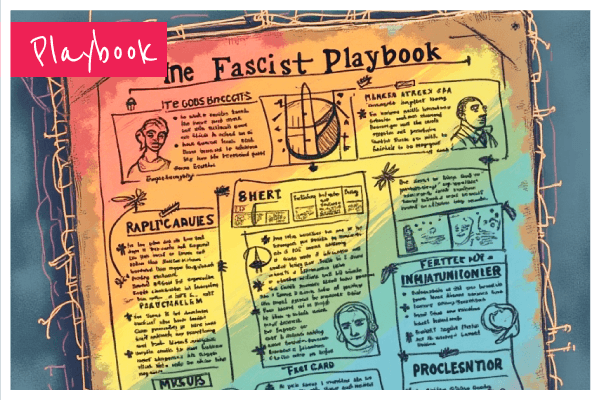
Now that we understand more about how the best-known 20th-century fascist dictators rose to power, let us explore how they did it and the playbook they used. For clarity, when we reference a playbook, we mean a set of strategies, plans, or tactics used to achieve specific goals, especially in competitive or strategic situations. Though a sports term used to describe plays and the strategy of a game, in this context, the playbook refers to the methods and tactics used by fascist movements and regimes to gain and maintain power. The examples are based on how fascism took hold within Italy and Germany prior to World War II.
#1 RISE TO POWER
Historically, most fascist and authoritarian movements spent years on the fringe of politics, often seen as extreme and frequently not taken seriously by more mainstream parties. All the time, in the background, sowing seeds of discontent, waiting for the opportunity to exploit crises and the hardships many people typically face. Whether post-war, economic hardship, prolonged recessions, political crises or perceived social threats, all of which create the perfect conditions for fascist regimes to rise and take power. In addition to the crises, it typically involves adding fire by highlighting differences and creating divisions amongst people and society as a whole. When people feel disenfranchised and hope seems lost, they present themselves as those with the solutions.
#2 ALL ABOUT IMAGE
The dictator-in-waiting and the leadership team are typically charismatic, effective communicators, and adept at directing and shaping the narrative. Listening to a speech by Mussolini or Hitler, you hear a structure, a narrative that starts quietly and calmly, builds energy, and finally erupts into an impassioned, powerful speech. Deploying empathy, I understand all the problems you are facing and have solutions for them. Using discrimination and scapegoating by blaming specific groups for all of the societal issues, whether it be regional, religious, minority or ethnic, the purpose is ultimately to attribute all of life’s problems to these groups and the narrative that they will be dealt with. The emotions displayed were passionate and empathetic; for example, the Italian dictator Mussolini was known for saying, “My dear Italians, I love you more than my own life,” and the German dictator Hitler said, “I love my country more than life itself.”
#3 A RETURN TO BETTER TIMES
Many dictators will often say what people want to hear, culminating in intense nationalist sentiment, frequently accompanied by scapegoating and hostility toward minorities or perceived enemies. Making the majority of the population feel special and that they should be treated better, showing the movement’s solidarity and size through the organisation of mass rallies, marches, and symbols to foster unity, loyalty, and discipline among supporters. The fascist parties often become more than just a political ideology, but more a community of like-minded individuals, usually hoping for a sense of justice and an improvement in their lives and circumstances, regardless of what that means and who it affects.
#4 CONTROLLING THE NARRATIVE
Prior to power, many fascist regimes typically flood the media and popular spaces where people gather or communicate with information that misrepresents, presents a specific image or narrative and often includes falsehoods. The narratives or myths frequently cite a national revival, the talk of destiny, and the promise of a better future. For example, Mussolini ran campaigns such as Mussolini is Always with Us and ones that emphasised imperial ambitions by promoting the idea of a Roman Empire revival. The German Nazi Party were known to run anti-semitic campaigns like the Eternal Jew, dehumanising the Jewish religion and culture. Once in power, the fascist leaders use propaganda to manipulate public opinion, control information, and promote the regime’s ideology. Using the campaigns and false narratives to victimise and justify any of the actions taken against the perceived threats. In addition, when controlling the narrative, the leadership use government resources to intimidate, censor, imprison and worse, all those who oppose, especially journalists and those spreading a narrative different to that of the regime.
#5 MAINTAINING CONTROL
After dismantling democratic processes and government resources that pose a threat to the regime, the focus will often change. The first step in installing the regime is usually to eliminate political opposition through censorship, imprisonment, or violence, thereby establishing one-party rule. Using the nation’s military in a show of strength and intimidating people, the use of paramilitary groups to suppress opposition and create fear, all of which often result in violence and a loss of life. Fascist regimes typically implement policies to achieve economic self-sufficiency, reducing the impact of international pressure, and frequently take control of key industries. The key to maintaining control is to stop people and groups from organising and to restrict or make any resources unavailable to anyone other than the regime.
The fascist playbook often uses fear, manipulation, and suppression of people and movements that threaten the regime. Supporters of these fascist movements gain popularity among three distinct groups: diehards, disillusioned, and undecided. The diehards are not typically the largest group, likely less than 30% of the support base. Diehards are usually given nicknames, helping them build and connect with their community. For example, Benito Mussolini’s supporters were commonly called Blackshirts (Squadristi) and Adolf Hitler’s supporters were Brownshirts or SA members (Sturmabteilung, or Stormtroopers).
The disillusioned group, likely the smaller of the three groups that helped the fascist regimes gain power, often dislikes all the policies or the leader, but does not like the opposition parties, wants to see change, or is focused on a particular policy that directly affects their way of life. The disillusioned might typically be less than 15% of the support base, and finally, the undecideds. The Undecideds are the most crucial group needed to seize power and control. Undecideds are not aligned with a particular political party, ideology, or movement and will often vote for the perceived best party at the time of voting, frequently influenced by the media and their communities. The undecideds can represent anything from 20% or more of the vote.
#1 RISE TO POWER
Historically, most fascist and authoritarian movements spent years on the fringe of politics, often seen as extreme and frequently not taken seriously by more mainstream parties. All the time, in the background, sowing seeds of discontent, waiting for the opportunity to exploit crises and the hardships many people typically face. Whether post-war, economic hardship, prolonged recessions, political crises or perceived social threats, all of which create the perfect conditions for fascist regimes to rise and take power. In addition to the crises, it typically involves adding fire by highlighting differences and creating divisions amongst people and society as a whole. When people feel disenfranchised and hope seems lost, they present themselves as those with the solutions.
#2 ALL ABOUT IMAGE
The dictator-in-waiting and the leadership team are typically charismatic, effective communicators, and adept at directing and shaping the narrative. Listening to a speech by Mussolini or Hitler, you hear a structure, a narrative that starts quietly and calmly, builds energy, and finally erupts into an impassioned, powerful speech. Deploying empathy, I understand all the problems you are facing and have solutions for them. Using discrimination and scapegoating by blaming specific groups for all of the societal issues, whether it be regional, religious, minority or ethnic, the purpose is ultimately to attribute all of life’s problems to these groups and the narrative that they will be dealt with. The emotions displayed were passionate and empathetic; for example, the Italian dictator Mussolini was known for saying, “My dear Italians, I love you more than my own life,” and the German dictator Hitler said, “I love my country more than life itself.”
#3 A RETURN TO BETTER TIMES
Many dictators will often say what people want to hear, culminating in intense nationalist sentiment, frequently accompanied by scapegoating and hostility toward minorities or perceived enemies. Making the majority of the population feel special and that they should be treated better, showing the movement’s solidarity and size through the organisation of mass rallies, marches, and symbols to foster unity, loyalty, and discipline among supporters. The fascist parties often become more than just a political ideology, but more a community of like-minded individuals, usually hoping for a sense of justice and an improvement in their lives and circumstances, regardless of what that means and who it affects.
#4 CONTROLLING THE NARRATIVE
Prior to power, many fascist regimes typically flood the media and popular spaces where people gather or communicate with information that misrepresents, presents a specific image or narrative and often includes falsehoods. The narratives or myths frequently cite a national revival, the talk of destiny, and the promise of a better future. For example, Mussolini ran campaigns such as Mussolini is Always with Us and ones that emphasised imperial ambitions by promoting the idea of a Roman Empire revival. The German Nazi Party were known to run anti-semitic campaigns like the Eternal Jew, dehumanising the Jewish religion and culture. Once in power, the fascist leaders use propaganda to manipulate public opinion, control information, and promote the regime’s ideology. Using the campaigns and false narratives to victimise and justify any of the actions taken against the perceived threats. In addition, when controlling the narrative, the leadership use government resources to intimidate, censor, imprison and worse, all those who oppose, especially journalists and those spreading a narrative different to that of the regime.
#5 MAINTAINING CONTROL
After dismantling democratic processes and government resources that pose a threat to the regime, the focus will often change. The first step in installing the regime is usually to eliminate political opposition through censorship, imprisonment, or violence, thereby establishing one-party rule. Using the nation’s military in a show of strength and intimidating people, the use of paramilitary groups to suppress opposition and create fear, all of which often result in violence and a loss of life. Fascist regimes typically implement policies to achieve economic self-sufficiency, reducing the impact of international pressure, and frequently take control of key industries. The key to maintaining control is to stop people and groups from organising and to restrict or make any resources unavailable to anyone other than the regime.
The fascist playbook often uses fear, manipulation, and suppression of people and movements that threaten the regime. Supporters of these fascist movements gain popularity among three distinct groups: diehards, disillusioned, and undecided. The diehards are not typically the largest group, likely less than 30% of the support base. Diehards are usually given nicknames, helping them build and connect with their community. For example, Benito Mussolini’s supporters were commonly called Blackshirts (Squadristi) and Adolf Hitler’s supporters were Brownshirts or SA members (Sturmabteilung, or Stormtroopers).
The disillusioned group, likely the smaller of the three groups that helped the fascist regimes gain power, often dislikes all the policies or the leader, but does not like the opposition parties, wants to see change, or is focused on a particular policy that directly affects their way of life. The disillusioned might typically be less than 15% of the support base, and finally, the undecideds. The Undecideds are the most crucial group needed to seize power and control. Undecideds are not aligned with a particular political party, ideology, or movement and will often vote for the perceived best party at the time of voting, frequently influenced by the media and their communities. The undecideds can represent anything from 20% or more of the vote.
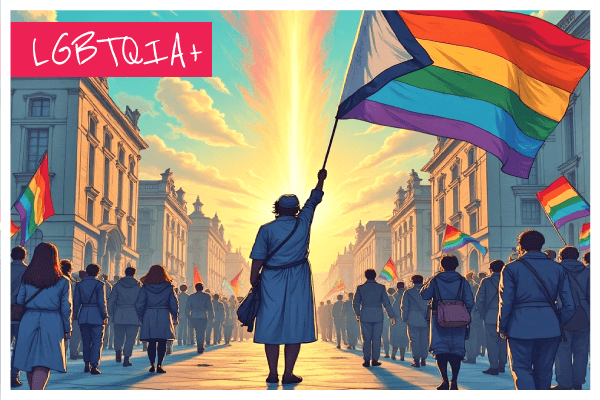
The fascist ideology actively opposes the LGBTQIA+ community, is often very negative and holds a repressive view and position. Many fascist movements, at the core of their ideology, promote conservatism, a traditionalist view on gender and sexuality, emphasising strict gender roles and family structures. Anti-immigrant and any minority or group that represents difference or that differs from the perceived national identity, or those that make up the majority of society, are often targeted. For fascist movements, the LGBTQIA+ community represent a contradiction and threat to their ideals of traditional family, religious beliefs, social order and the moral fabric of the nation. Often using religion and scriptures to cite interpretations of a spiritual position that condemns the community, and using the view of individuals who identify in this way as a perversion, immoral and sinful to justify their subsequent treatment.
The treatment of the community historically was different under each fascist regime. For example, under Mussolini’s fascist regime, they promoted traditional gender roles and family values and suppressed homosexuality. LGBTQIA+ individuals faced social discrimination, some were arrested, and many were subjected to police harassment; however, it is believed many were not imprisoned or lost their lives due to their gender or sexuality, as repression was generally less harsh and less widespread, unlike in Nazi Germany.
The Nazi regime actively persecuted LGBTQIA+ individuals, particularly gay men. From 1871, Homosexual acts between men were criminalised under Paragraph 175 of the German Criminal Code, though prior to the Nazi party’s rise to power, prosecutions were not widely enforced, and there was a thriving gay community in many major German cities. When the Nazi party came to power, they made the targeting of the community a priority and began by raiding and closing clubs, organisations, and groups. From when the Nazi party came to power in 1933 up until the end of World War II in 1945, it is estimated that over 100,000 men were arrested as homosexuals, where they faced imprisonment, were sent to concentration camps, and subjected to brutal treatment.
Gay men were among the targeted groups in Nazi camps, alongside Jews, Roma, disabled individuals, and others. The regime viewed homosexuality as a threat to the Nazi ideal of the Aryan family and population growth. Gay men were forced to wear a pink triangle badge on their clothes in concentration camps, to identify and in a bid to embarrass and stigmatise gay prisoners. While in the camps, many were subjected to forced labour, castrated, frequently tortured, had medical experiments performed on them, and many ultimately lost their lives. Though there are no official estimates, it is believed that thousands of gay men were imprisoned in camps, and many did not survive.
Lesbians and gay women also faced persecution; however, the number is believed to be lower and occurred less frequently. Lesbian women and those who identified as transgender who were prosecuted were considered asocial and degenerate by Nazi authorities and were forced to wear the black triangle. Transgender individuals faced social discrimination, violence, and were pushed to hide their identities. Some were subjected to arrest, imprisonment, or forced sterilisation. The numbers and impact on both the lesbian and transgender community are lesser known than gay men, which is also limited, as many records were destroyed or prosecutions may not have been correctly defined, the so-called justification for their arrests and prosecutions.
The LGBTQIA+ community historically had less visibility and awareness amongst wider society. With many countries prior to the 1960s still criminalising same-sex relationships and the societal view seeing non-traditional sexualities and gender identities as deviant and a perversion, all resulted in LGBTQIA+ individuals hiding, suppressing and feeling shame for who they are. The lack of visibility and feeling of shame meant that, even if someone in their life, who likely would have identified as LGBTQIA+, they might have never known. The suppressed community and limited interactions with people in society meant they became the perfect target for those with a fascist agenda. Creating a narrative—a false perspective—that led people to perceive a threat to the fabric of society. The so-called corruption of the young and the rewriting of what it means to be male or female and viewed as immoral. Though ordinary LGBTQIA+ people were forced to hide in plain sight, coming out, being vocal would have seen them arrested and likely isolated within society. A dilemma and debilitating situation that meant that thousands of LGBTQIA+ individuals were targeted and faced discrimination based on lies, misinformation and propaganda.
Today, with greater visibility and positive and vocal role models from the community, creating false narratives and propaganda about the LGBTQIA+ community is not as easy as it once was. With pushback and more people knowing of someone who identifies as LGBTQIA+, societal acceptance has dramatically improved. Instead of targeting the entire community, we are now seeing targeted efforts against some smaller, lesser-known groups. Groups like the Transgender community, who for years have been targeted by conservative and far-rights groups and by many mainstream media outlets. Statistics are being dramatically exaggerated, problems are being highlighted that never existed before, and real concerns are being twisted and manipulated to cause outrage and division.
The treatment of the community historically was different under each fascist regime. For example, under Mussolini’s fascist regime, they promoted traditional gender roles and family values and suppressed homosexuality. LGBTQIA+ individuals faced social discrimination, some were arrested, and many were subjected to police harassment; however, it is believed many were not imprisoned or lost their lives due to their gender or sexuality, as repression was generally less harsh and less widespread, unlike in Nazi Germany.
The Nazi regime actively persecuted LGBTQIA+ individuals, particularly gay men. From 1871, Homosexual acts between men were criminalised under Paragraph 175 of the German Criminal Code, though prior to the Nazi party’s rise to power, prosecutions were not widely enforced, and there was a thriving gay community in many major German cities. When the Nazi party came to power, they made the targeting of the community a priority and began by raiding and closing clubs, organisations, and groups. From when the Nazi party came to power in 1933 up until the end of World War II in 1945, it is estimated that over 100,000 men were arrested as homosexuals, where they faced imprisonment, were sent to concentration camps, and subjected to brutal treatment.
Gay men were among the targeted groups in Nazi camps, alongside Jews, Roma, disabled individuals, and others. The regime viewed homosexuality as a threat to the Nazi ideal of the Aryan family and population growth. Gay men were forced to wear a pink triangle badge on their clothes in concentration camps, to identify and in a bid to embarrass and stigmatise gay prisoners. While in the camps, many were subjected to forced labour, castrated, frequently tortured, had medical experiments performed on them, and many ultimately lost their lives. Though there are no official estimates, it is believed that thousands of gay men were imprisoned in camps, and many did not survive.
Lesbians and gay women also faced persecution; however, the number is believed to be lower and occurred less frequently. Lesbian women and those who identified as transgender who were prosecuted were considered asocial and degenerate by Nazi authorities and were forced to wear the black triangle. Transgender individuals faced social discrimination, violence, and were pushed to hide their identities. Some were subjected to arrest, imprisonment, or forced sterilisation. The numbers and impact on both the lesbian and transgender community are lesser known than gay men, which is also limited, as many records were destroyed or prosecutions may not have been correctly defined, the so-called justification for their arrests and prosecutions.
The LGBTQIA+ community historically had less visibility and awareness amongst wider society. With many countries prior to the 1960s still criminalising same-sex relationships and the societal view seeing non-traditional sexualities and gender identities as deviant and a perversion, all resulted in LGBTQIA+ individuals hiding, suppressing and feeling shame for who they are. The lack of visibility and feeling of shame meant that, even if someone in their life, who likely would have identified as LGBTQIA+, they might have never known. The suppressed community and limited interactions with people in society meant they became the perfect target for those with a fascist agenda. Creating a narrative—a false perspective—that led people to perceive a threat to the fabric of society. The so-called corruption of the young and the rewriting of what it means to be male or female and viewed as immoral. Though ordinary LGBTQIA+ people were forced to hide in plain sight, coming out, being vocal would have seen them arrested and likely isolated within society. A dilemma and debilitating situation that meant that thousands of LGBTQIA+ individuals were targeted and faced discrimination based on lies, misinformation and propaganda.
Today, with greater visibility and positive and vocal role models from the community, creating false narratives and propaganda about the LGBTQIA+ community is not as easy as it once was. With pushback and more people knowing of someone who identifies as LGBTQIA+, societal acceptance has dramatically improved. Instead of targeting the entire community, we are now seeing targeted efforts against some smaller, lesser-known groups. Groups like the Transgender community, who for years have been targeted by conservative and far-rights groups and by many mainstream media outlets. Statistics are being dramatically exaggerated, problems are being highlighted that never existed before, and real concerns are being twisted and manipulated to cause outrage and division.
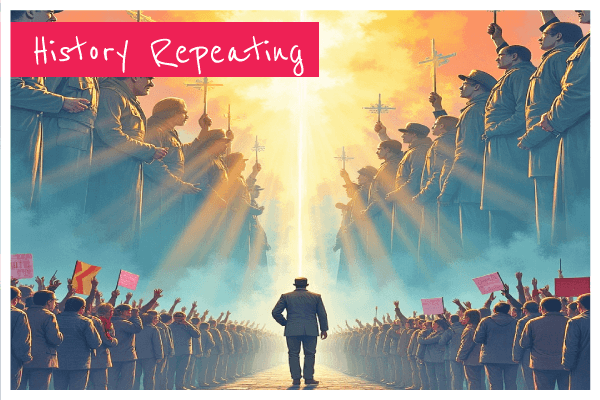
In 2025, with wars occurring around the world, rising inflation, economic instability, high levels of unemployment and large numbers of refugees and migrants seeking new, better and safer lives in many western countries, all of which are creating the perfect conditions for fascism to thrive. Political polls taken around the world are showing disillusionment with mainstream political parties and a rise in popularity for right-wing politicians, especially among the young, many of whom are fearful for the future and most of whom are desperate for change, whatever that might be. There are now alarming developments worldwide. Russia is actively targeting LGBTQIA+ individuals and organisations, countries like Uganda, Burkina Faso and Mali all introducing new anti-LGBTQIA+ laws in the past few years, it feels like history might be repeating itself.
Hardships and financial concerns often cause people to look for others to blame, and we have seen a steady flow of stories highlighting the so-called migrant crisis and the attack on the transgender community. In the United States, with the recent border enforcement raids, often targeting members of the Latino community, the reality is that many marginalised groups are left feeling isolated and living in fear, fear of what will happen to them and of the unknown. Though some countries targeting the LGBTQIA+ community may not come as much of a surprise, there are some countries like Romania, Poland and Bulgaria, all with differing degrees of severity and impact, that have, over the years, slowed or even reversed their progressive policies. Declared gay free zones in Poland and the banning and obstruction of people from holding pride parades in countries like Romania, Hungary and Bulgaria, as well as policies to ban LGBTQIA+ content, are becoming a new reality.
Even though outright traditional fascist regimes are less common today, some of the far-right and conservative movements and political parties are exhibiting similar characteristics, such as rising nationalism, authoritarian tendencies, and anti-democratic rhetoric. Recognising these signs early can be crucial for safeguarding democratic values.
Hardships and financial concerns often cause people to look for others to blame, and we have seen a steady flow of stories highlighting the so-called migrant crisis and the attack on the transgender community. In the United States, with the recent border enforcement raids, often targeting members of the Latino community, the reality is that many marginalised groups are left feeling isolated and living in fear, fear of what will happen to them and of the unknown. Though some countries targeting the LGBTQIA+ community may not come as much of a surprise, there are some countries like Romania, Poland and Bulgaria, all with differing degrees of severity and impact, that have, over the years, slowed or even reversed their progressive policies. Declared gay free zones in Poland and the banning and obstruction of people from holding pride parades in countries like Romania, Hungary and Bulgaria, as well as policies to ban LGBTQIA+ content, are becoming a new reality.
Even though outright traditional fascist regimes are less common today, some of the far-right and conservative movements and political parties are exhibiting similar characteristics, such as rising nationalism, authoritarian tendencies, and anti-democratic rhetoric. Recognising these signs early can be crucial for safeguarding democratic values.
Fascism is deceptive, hiding in plain sight while pretending to understand the problems faced by ordinary people. It often uses narratives and plays on people’s fears, all while promising that those behind the movement have all the answers and solutions to fix the country and the fabric of society. False promises, a bid for power, that, once realised, show their true intentions. To dismantle democracy, to put power with the few and not only will people have the same problems, but many are worsened, with the new reality that they have lost their freedoms and rights. After World War II, many countries taught about the effects of war and the signs to watch for; however, many believed it could never happen again, that hard-fought freedoms would be protected, and that democracy would rule.
Though the effects of fascism historically were harmful, factor in technological advancements, the use of artificial intelligence and widespread surveillance, the risk today of fascism is far greater. With many people getting their news solely from social media and many of the companies behind the platforms citing freedom of speech and expression as reasons not to combat false speech and propaganda, it is far easier for people to make up stories and narratives to control the masses. Planted stories designed to enrage, creating division amongst societies and minority groups targeted, descriptions that seem to describe pre-World War II conditions, all of which are actually taking place in many countries around the world today.
Fascism only thrives when we take the easy option. To hand over total power and control to people who do not have solutions or good intentions. In reality, the problems we all face will require complicated solutions, many of which may require sacrifice and a new way of thinking in the modern era, but what it ultimately means is that we need to become the change we want to see. More young people running for office, more accurate representation in positions of authority, a fairer society where everyone contributes, and conversations about the effects and solutions for worldwide problems with empathy and fairness.
Collaboration, unity, and fairness are the only way forward to end the current challenges and to hold those in power accountable for their actions. Moving away from accepting the status quo and relating to your political party, many of which are slow to adapt, become the voice advocating for change. There are no quick fixes, and no political party has all the solutions. It is essential to listen to what those running for office are saying, not what we want or believe they represent. Economic stability, equitable employment, and low inflation are not impossible to achieve, but they require people with the right skills, an innovative approach, and a new way of thinking.
Stay safe, and until the next time.
Though the effects of fascism historically were harmful, factor in technological advancements, the use of artificial intelligence and widespread surveillance, the risk today of fascism is far greater. With many people getting their news solely from social media and many of the companies behind the platforms citing freedom of speech and expression as reasons not to combat false speech and propaganda, it is far easier for people to make up stories and narratives to control the masses. Planted stories designed to enrage, creating division amongst societies and minority groups targeted, descriptions that seem to describe pre-World War II conditions, all of which are actually taking place in many countries around the world today.
Fascism only thrives when we take the easy option. To hand over total power and control to people who do not have solutions or good intentions. In reality, the problems we all face will require complicated solutions, many of which may require sacrifice and a new way of thinking in the modern era, but what it ultimately means is that we need to become the change we want to see. More young people running for office, more accurate representation in positions of authority, a fairer society where everyone contributes, and conversations about the effects and solutions for worldwide problems with empathy and fairness.
Collaboration, unity, and fairness are the only way forward to end the current challenges and to hold those in power accountable for their actions. Moving away from accepting the status quo and relating to your political party, many of which are slow to adapt, become the voice advocating for change. There are no quick fixes, and no political party has all the solutions. It is essential to listen to what those running for office are saying, not what we want or believe they represent. Economic stability, equitable employment, and low inflation are not impossible to achieve, but they require people with the right skills, an innovative approach, and a new way of thinking.
Stay safe, and until the next time.
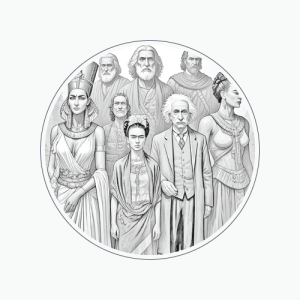
Learn more about the exceptional individuals and groups that advocated and fought hard throughout history to improve LGBTQIA+ rights and conditions across the world

A space that gives you the freedom to be yourself. Helping you communicate with and connect to people similar to yourself. People from around the world from all age groups and backgrounds
Learn more about the exceptional LGBTQIA+ community, discover the community’s history, the ongoing movement for equality, the size of the community and how much it contributes to the world economy, frequently asked questions and much more.



IMPORTANT DISCLAIMER: All published articles have been written by members of the general public. Many will likely not be journalists nor be affiliated with any professional bodies associated with members of the media. The articles will likely be based on the authors’ own opinions, views, and experiences. Gayther does not endorse or accept any responsibility or liability regarding any materials within the news and media pages. This page may contain external links to third party websites; Gayther provides these links for your convenience and does not endorse, warrant or recommend any particular products or services. By clicking on any external links, you will leave Gayther and be taken to the third-party website, which you do so at your own risk and by accessing the site, you will be required to comply with the external third party’s terms and conditions of use and privacy policies
Discover all of the topical articles written by people from across the community and friends, all sharing their stories, opinions and experiences