







Wow, what Rizz, or you have been ghosted, are Gen Z terms that have been popularised and have now become part of modern language and communication. With each generation comes a unique set of words, phrases, slang, and communication styles that reflect that generation’s cultural experiences, technological influences, and social changes. While these terms are often understood within a specific group, some words and phrases may be unfamiliar or seem outdated to others. Let us explore 12 of the most commonly used Gen Z terms and what they actually mean.
DISCLAIMER
All published articles are intended for an audience aged 18 years and over and have been written by members of the general public. Many will likely not be journalists nor be affiliated with any professional bodies associated with members of the media. The articles will likely be based on the authors' own opinions, views, and experiences...more
Whether a boomer, millennial, or Generation Z, each generation typically creates its own unique generational language and vocabulary. A language which reflects an evolving society and culture, reflecting changes in the political climate, technological landscape, and is often characterised by a distinctive communication style. A style that typically includes slang, idioms, and the playful reworking of grammatical rules, such as repurposing existing words or inventing entirely new ones, with new meanings and definitions. Over time, many of these terms become so ingrained in the vocabulary that they are adopted and used by future generations.
Ultimately, generational language is a way for people of a similar age to express themselves and define their identity in relation to previous and future generations. The way we communicate is constantly evolving, changing the language we use and even how we interact altogether. An example of its impact is the controversy surrounding the children’s TV show Teletubbies in the early 2000s. As one of the most-watched children’s television shows of its time, parents expressed concern about the characters’ playful, repetitive speech and simplified language, fearing it might confuse children and affect their language development, highlighting how influential generational language can be and how many environmental factors influence it.
Many phrases and terms we use today likely did not exist a century ago, or had different meanings. Thanks to social media and globalisation, language, regional dialects, and slang are continuously evolving, shaped by diverse cultures and communities worldwide.
For those born from the mid-1990s to the early 2010s, Generation Z or Gen Z, new words and meanings are constantly emerging to reflect societal shifts. Many of these terms are part of everyday conversations among teens and young adults. Have you ever wondered what ‘simp’ or ‘rizz’ means? Let us explore 12 of the most common Gen Z terms and what they actually mean.
Ultimately, generational language is a way for people of a similar age to express themselves and define their identity in relation to previous and future generations. The way we communicate is constantly evolving, changing the language we use and even how we interact altogether. An example of its impact is the controversy surrounding the children’s TV show Teletubbies in the early 2000s. As one of the most-watched children’s television shows of its time, parents expressed concern about the characters’ playful, repetitive speech and simplified language, fearing it might confuse children and affect their language development, highlighting how influential generational language can be and how many environmental factors influence it.
Many phrases and terms we use today likely did not exist a century ago, or had different meanings. Thanks to social media and globalisation, language, regional dialects, and slang are continuously evolving, shaped by diverse cultures and communities worldwide.
For those born from the mid-1990s to the early 2010s, Generation Z or Gen Z, new words and meanings are constantly emerging to reflect societal shifts. Many of these terms are part of everyday conversations among teens and young adults. Have you ever wondered what ‘simp’ or ‘rizz’ means? Let us explore 12 of the most common Gen Z terms and what they actually mean.
The term Simp is used to describe someone perceived as somewhat submissive, overly attentive, and even sycophantic towards someone they are interested in or respect. The behaviour exhibited often results in the individual ignoring their own self-respect. Simply put, it is frequently used to describe someone who is seen as desperately trying to please or impress someone else, typically romantically, often at the expense of their dignity. The term can be used ironically, jokingly, or as an insult. An example of how it might be used: “Stop being a simp and stand up for yourself.”
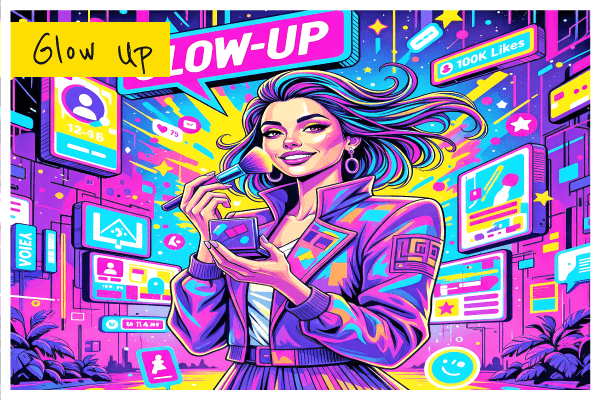
The term Glow-up describes someone who has undergone a significant positive transformation in their appearance, confidence, or overall lifestyle. Typically, a noticeable improvement or change over time, especially after a period of self-care, growth, or personal development. Simply put, someone who has changed their appearance, outlook, or lifestyle for the better. An example of how it might be used: “Your glow-up is inspiring, keep it up!”
The term Sitchationship describes a casual or undefined relationship. A term created by combining situation and relationship, where a romantic relationship is not fully committed or clearly labelled, often where those involved are not certain where things are headed. It is also used to describe two people who are romantically involved, without the expectation of a formal relationship. Simply put, a sitchationship is a romantic relationship that is not clearly defined or one without expectations. An example of how it might be used: “They’ve been in a sitchationship for months, but no one’s really sure what it is.”
The term Smash is used to describe a sexual encounter with another person, as well as referring to achieving or succeeding at something in a very impressive or forceful way. Within Gen Z, the term is often linked to sexual encounters. Simply put, sexual encounters or hookups or achieving something significant. An example of how it might be used: “They hooked up last night, guess they smashed.”
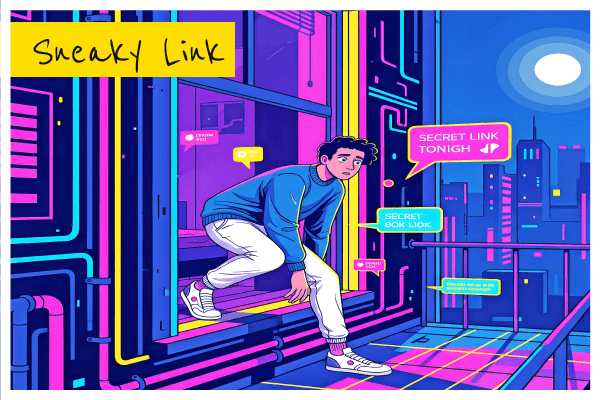
The term Sneaky link describes a secret or discreet romantic or sexual encounter between two people, often kept hidden from others and typically used to describe casual hookups, ones that happen both privately and secretly, frequently to avoid judgment or consequences. Simply put, romantic or casual hookups or encounters that are secret or discreet. An example of how it might be used: “It’s just a sneaky link, nothing serious.”
The term Delusionship describes a relationship in which one partner, among those involved, believes that the relationship is serious, meaningful, and headed somewhere. The term was created by combining the words delusional and relationship, and often reflects that the feelings are usually not reciprocated or ever existed. Simply put, it describes a relationship in which one or both partners hold an unrealistic, ungrounded belief in it. An example of how it might be used: “He’s delusional if he thinks they’re together; she doesn’t see it that way.”
The term Rizz is one of the most popular and frequently used Gen Z terms that describes a person’s overall appeal, whether it’s their looks, charm, ability to flirt, or, ultimately, their ability to attract others, especially romantically. The term can be used more broadly to describe a person’s charisma when trying to impress or flirt. Simply put, it is their style, charm and overall appeal when seeking romantic relationships and encounters. An example of how it might be used: “You need to work on your rizz if you want to impress her.”
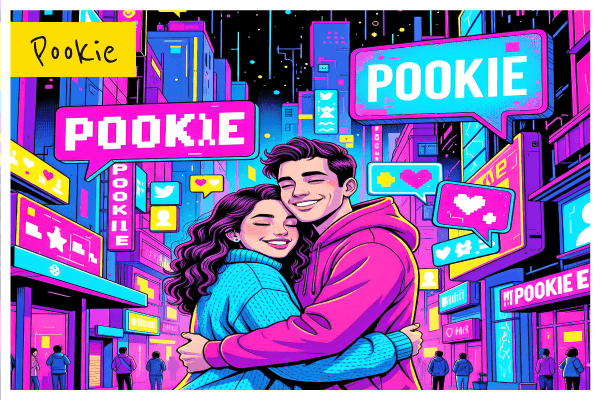
The term Pookie is often used as a term of endearment for a romantic partner, loved one, or someone they care deeply about. The term is similar to those used in other generations, such as ‘my love,’ ‘babe,’ or ‘baby,’ and is used to highlight the importance of a person in a person’s life. Simply put, a way of saying my partner or my love. An example of how it might be used: “What are you and your pookie up to this weekend?”
The term DTR stands for Define The Relationship and is used to describe where one or more of those involved romantically want to clarify the status of the relationship to ensure that everyone is on the same page and has the same understanding. The status being whether the relationship is casual, exclusive, serious or open. Simply put, it is a request to clarify the status of the relationship with all those involved. An example of how it might be used: “He finally asked me to DTR and figure out where we stand.”
The term Cushioning describes a person who is in a relationship but maintains multiple romantic options or potential partners as backups. Seen by the person as a safety net: should the principal relationship fail, they have vetted partners with whom they already have established connections. Simply put, a person who is likely fearful of being alone, so though in a relationship, maintains potential emotional or physical connections with other people should the principal relationship fail. An example of how it might be used: “She is cushioning her ex while dating someone new.”
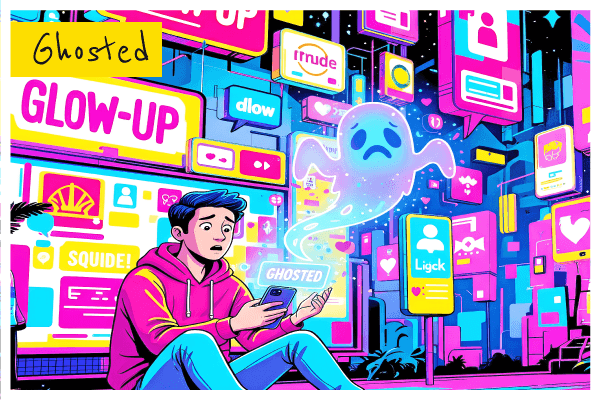
The term Ghosting describes the actions of a person who abruptly cuts off all communication with someone without explanation. Though Ghosting can occur in most types of relationships, it typically happens in a romantic or dating context, where one person stops responding to messages, calls, or other forms of contact without warning. Simply put, it is when a person avoids a difficult conversation or situation by completely ignoring or deleting a person from all forms of communication, such as social media and by phone. An example of how it might be used: “He ghosted me after our third date. I have received no DMs, texts or calls.”
The term Freak-matching describes the situation in which a person finds someone, especially on dating apps or social platforms, where all individuals have the same or similar levels of sexual interests, fantasies, or level of openness, known as their freaks. The situation helps ensure that everyone is on the same page regarding likes and dislikes and, at the same time, is sexually expressive and open. Simply put, it is about finding people with similar interests and likes to you, especially relating to sexual interests and fantasies. An example of how it might be used: “They’re a perfect freak-matching pair; they are both into wild stuff.”
Generational language often reflects the societies, countries, and time periods in which people who make up any given generation have grown up and experienced. For many members of Gen Z, their formative years have been shaped by financial crises, political instability, wars, and conflicts worldwide. This generation has faced an onslaught of challenging circumstances and witnessed societal norms and interactions crumble at a crucial time. Despite these difficulties, and the prolonged COVID-19 outbreak and lockdowns, it is remarkable how resilient many Gen Z individuals truly are.
The language used by this generation often conveys empathy and a desire to see the world as it is, rather than through the lens of others’ expectations. They are not afraid of change; instead, they embrace it and are willing to call out what is wrong. While by no means perfect and with a unique set of behaviours and challenges, many Gen Z individuals seem to take these issues in their stride. Their language reflects this resilience through a direct approach to relationships, greater acceptance of authenticity, and a desire for others to live as they choose.
Although some terms and expressions may seem humorous, even blunt at times, they reveal a generation that is resilient, open to change, and embracing diversity rather than fearing it. One day, Gen Z will hold power, lead nations, and influence many of the world’s leading companies. I look forward to seeing what the future holds, hopefully one that is inclusive, fair, and honest, all of the principles that seem to underpin this exceptional generation.
Stay safe, and until the next time.
The language used by this generation often conveys empathy and a desire to see the world as it is, rather than through the lens of others’ expectations. They are not afraid of change; instead, they embrace it and are willing to call out what is wrong. While by no means perfect and with a unique set of behaviours and challenges, many Gen Z individuals seem to take these issues in their stride. Their language reflects this resilience through a direct approach to relationships, greater acceptance of authenticity, and a desire for others to live as they choose.
Although some terms and expressions may seem humorous, even blunt at times, they reveal a generation that is resilient, open to change, and embracing diversity rather than fearing it. One day, Gen Z will hold power, lead nations, and influence many of the world’s leading companies. I look forward to seeing what the future holds, hopefully one that is inclusive, fair, and honest, all of the principles that seem to underpin this exceptional generation.
Stay safe, and until the next time.

Taking pride in having Youth. Acceptance and coming to terms with a part of what makes you can be challenging for many people. The Gayther Taking pride in being series is about celebrating all things, showcasing exceptional people, interesting facts and ways to connect with those unique communities, all designed to help and promote Taking pride in being LGBTQIA+ identities.

Discover all of the topical articles and the latest community news. Whether you are looking for news stories, articles reflecting topical subjects written by people from the community or the latest trends. Gayther is here to provide you with the information you need when you need it.
Learn more about the exceptional LGBTQIA+ community, discover the community’s history, the ongoing movement for equality, the size of the community and how much it contributes to the world economy, frequently asked questions and much more.






IMPORTANT DISCLAIMER: All published articles have been written by members of the general public. Many will likely not be journalists nor be affiliated with any professional bodies associated with members of the media. The articles will likely be based on the authors’ own opinions, views, and experiences. Gayther does not endorse or accept any responsibility or liability regarding any materials within the news and media pages. This page may contain external links to third party websites; Gayther provides these links for your convenience and does not endorse, warrant or recommend any particular products or services. By clicking on any external links, you will leave Gayther and be taken to the third-party website, which you do so at your own risk and by accessing the site, you will be required to comply with the external third party’s terms and conditions of use and privacy policies
Discover all of the topical articles written by people from across the community and friends, all sharing their stories, opinions and experiences