








IS IT SELF HATE OR SURVIVAL?
The Dark Truth Behind the Growing Wave of Gay Conservatives
- Atilla Tiriyaki
- Average Reading Time: 10 minutes
- Business & Events, Community
- articles, atillat, guides
Gay conservatism is a term that is now being used and referenced more often online, in the press and across legacy media. A description used to describe a gay man or woman, who, typically in the US, is someone who likely identifies as a Republican, as well as holding conservative and traditional beliefs. A belief and value system that traditionally was in direct conflict with the LGBTQIA+ community, and one that today is causing division amongst the various groups within the community. Explore what gay conservatism is, what it is not, and the potential risk conservatism may hold for the wider community.
DISCLAIMER
All published articles are intended for an audience aged 18 years and over and have been written by members of the general public. Many will likely not be journalists nor be affiliated with any professional bodies associated with members of the media. The articles will likely be based on the authors' own opinions, views, and experiences...more
In more recent times, especially over the past 5 years, with some within the Trump administration identifying as gay conservatives, you will often hear the term gay conservatism mentioned online in the various social platforms, in the press and across legacy media. A term which is typically used to describe a gay man or woman, a man or woman who is attracted to someone of the same sex, and who also holds traditional or conservative values. A set of values and beliefs that relate to a political and social philosophy that emphasises the value of tradition, stability, and continuity, wanting to maintain and reinforce traditions, even returning to a world order or period considered more reflective of their beliefs and principles.
Though the term, gay conservative, is predominately referenced and used by people in the United States, the intersectionality, or put another way, understanding the different aspects of a person’s identity and ideology, can be found within many gay men and women in countries around the world. With the call for equality, such as rights relating to same-sex marriage and removal of antiquated LGBTQIA+ related laws, often in conflict with the return to traditional and more conservative values. The issue is not necessarily the individual causes, movements, or ideologies, but rather the combination of the two.
The rise in popularity amongst gay men and women, identifying as conservative, may ultimately be positive and reflect the fact that many of the marginalised groups that make up the broader LGBTQIA+ community have gained wider acceptance amongst societies in many countries around the world. However, the newfound acceptance and embrace within society have not been extended to all groups within the community, with some LGBTQIA+ groups even turning against others who do not share the same sexual or gender identity. For example, over the past few years, this has become evident with some gay conservatives who go online on social platforms and are publicly and vocally opposing many of the transgender challenges and issues.
Delve into the gay conservatism paradox: why some gay men and women align with conservative values that once marginalised them, is it a positive sign of being embraced by society, a quest for wider acceptance or simply self-hatred? Let us explore what gay conservatism is, what it is not, as well as the risks and what the future could mean for this unique group that follows the conservative ideology.
Though the term, gay conservative, is predominately referenced and used by people in the United States, the intersectionality, or put another way, understanding the different aspects of a person’s identity and ideology, can be found within many gay men and women in countries around the world. With the call for equality, such as rights relating to same-sex marriage and removal of antiquated LGBTQIA+ related laws, often in conflict with the return to traditional and more conservative values. The issue is not necessarily the individual causes, movements, or ideologies, but rather the combination of the two.
The rise in popularity amongst gay men and women, identifying as conservative, may ultimately be positive and reflect the fact that many of the marginalised groups that make up the broader LGBTQIA+ community have gained wider acceptance amongst societies in many countries around the world. However, the newfound acceptance and embrace within society have not been extended to all groups within the community, with some LGBTQIA+ groups even turning against others who do not share the same sexual or gender identity. For example, over the past few years, this has become evident with some gay conservatives who go online on social platforms and are publicly and vocally opposing many of the transgender challenges and issues.
Delve into the gay conservatism paradox: why some gay men and women align with conservative values that once marginalised them, is it a positive sign of being embraced by society, a quest for wider acceptance or simply self-hatred? Let us explore what gay conservatism is, what it is not, as well as the risks and what the future could mean for this unique group that follows the conservative ideology.

Conservatism is a cultural, social, and political philosophy and ideology that seeks to promote and preserve traditional institutions, customs, and values. The central tenets of conservatism typically vary across different countries and cultures; however, at its core, it advocates for preserving established institutions, customs, and practices, and tends to be cautious about rapid change or radical reforms. Conservatives prioritise social order, the importance of personal responsibility, cultural heritage, national values and identity, and gradual evolution over revolutionary change, often emphasising the importance of authority, hierarchy, and moral values in maintaining societal stability.
In the United States, conservatism typically encompasses views on economic, social, and cultural issues, such as limited government, free markets, and traditional values, with many gay conservatives being supporters and followers of the Republican Party. Across the world, conservatism is typically found in more right-leaning political parties in countries such as the United Kingdom, Canada, and Australia, as well as in many countries within the Middle East and parts of Asia, where conservative religious beliefs are prevalent.
Conservatism, like any political and social ideology, faces complex challenges, misrepresentations, and even negative perceptions, all of which can impact its effectiveness, relevance, and acceptance. These challenges can vary depending on cultural, social, and historical factors; however, many who identify as conservative are often perceived as being resistant to change, inflexible, and holding outdated views and opinions. This results in the belief that conservative people are more likely to exclude those who are different from them, especially those from marginalised groups. In contrast, those who identify as conservative often cite a desire for stability and continuity, respect for tradition and culture, the importance of personal responsibility, and community, while also advocating for the protection of rights and liberties.
In the United States, conservatism typically encompasses views on economic, social, and cultural issues, such as limited government, free markets, and traditional values, with many gay conservatives being supporters and followers of the Republican Party. Across the world, conservatism is typically found in more right-leaning political parties in countries such as the United Kingdom, Canada, and Australia, as well as in many countries within the Middle East and parts of Asia, where conservative religious beliefs are prevalent.
Conservatism, like any political and social ideology, faces complex challenges, misrepresentations, and even negative perceptions, all of which can impact its effectiveness, relevance, and acceptance. These challenges can vary depending on cultural, social, and historical factors; however, many who identify as conservative are often perceived as being resistant to change, inflexible, and holding outdated views and opinions. This results in the belief that conservative people are more likely to exclude those who are different from them, especially those from marginalised groups. In contrast, those who identify as conservative often cite a desire for stability and continuity, respect for tradition and culture, the importance of personal responsibility, and community, while also advocating for the protection of rights and liberties.

The challenge within conservatism and the LGBTQIA+ community relates specifically to the preservation of traditions, heteronormative beliefs, family values and traditional gender roles. Though conservatives in some parts of the world have become more accepting of some groups within the LGBTQIA+ community, there are still barriers in areas such as marriage and in relation to the definition and structure of the family. A person who identifies as conservative may support the objective of not discriminating against or persecuting LGBTQIA+ individuals but oppose same-sex marriage and the adoption of children by gay individuals.
Parts of conservatism are also rooted in religion, with some beliefs that can seem to contradict modern life and society. Beliefs that even gay conservatives struggle with, even with many established and conventional religions, taking a more inclusive stance towards the community, there is still an ingrained societal and religious belief affecting their sense of identity and of belonging.
The misperception and widely held stereotypes that identifying as LGBTQIA+ also means you likely have more liberal or progressive views and beliefs are simply not true. The reality is that though sexuality and gender identity connect diverse people across the globe, it does not mean everyone is the same or shares the same beliefs simply because of who they are attracted to or how they choose to identify.
The obstacle for conservatives relates to the fact that historically that many traditionalists and conservatives were opposed to LGBTQIA+ individuals, with many believing that identifying as gay or transgender was a mental illness, a perversion and a threat to the societal fabric and traditional family values. Although many have become more accepting over time, this is partly due to the visibility and advocacy efforts made on behalf of the LGBTQIA+ community itself.
Today, the reality is that many LGBTQIA+ individuals hold positions of power, lead large companies and conglomerates, as well as receive positive recognition in the media, in sports and the freedom for many to share their identity without the fear of persecution.
Parts of conservatism are also rooted in religion, with some beliefs that can seem to contradict modern life and society. Beliefs that even gay conservatives struggle with, even with many established and conventional religions, taking a more inclusive stance towards the community, there is still an ingrained societal and religious belief affecting their sense of identity and of belonging.
The misperception and widely held stereotypes that identifying as LGBTQIA+ also means you likely have more liberal or progressive views and beliefs are simply not true. The reality is that though sexuality and gender identity connect diverse people across the globe, it does not mean everyone is the same or shares the same beliefs simply because of who they are attracted to or how they choose to identify.
The obstacle for conservatives relates to the fact that historically that many traditionalists and conservatives were opposed to LGBTQIA+ individuals, with many believing that identifying as gay or transgender was a mental illness, a perversion and a threat to the societal fabric and traditional family values. Although many have become more accepting over time, this is partly due to the visibility and advocacy efforts made on behalf of the LGBTQIA+ community itself.
Today, the reality is that many LGBTQIA+ individuals hold positions of power, lead large companies and conglomerates, as well as receive positive recognition in the media, in sports and the freedom for many to share their identity without the fear of persecution.
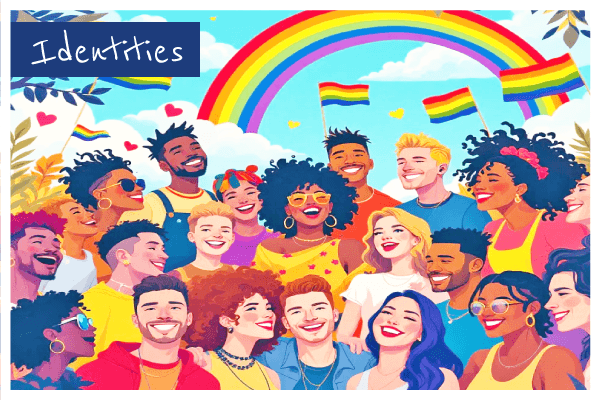
When it comes to the LGBTQIA+ community, thought at its core there is a collective goal, desire and aim for equality, for people to live without fear of persecution and discrimination, often that is the only shared objective. In reality, the LGBTQIA+ community is made up of two distinctive categories, those relating to sexualities and gender identities, as well as many groups that fall into exclusivity in one or both categories.
Each group within the LGBTQIA+ community may not face the same challenges and obstacles relating specifically to their gender identity or sexuality, as the impact may be different, and some individuals may belong to one or more groups. The unique challenge means that the focus and priority will differ for each group, taking into account geography and physical location, and these priorities and focus will shift again. Simply put, a gay man will face different challenges and realities compared to a transgender woman.
The belief, by some, that everyone who identifies as LGBTQIA+ is united and collectively works together with common goals is not true. The reality is that, although many groups and individuals support core principles, they likely diverge when it comes to the objectives and priorities of their respective groups and representative organisations.
WHY IS IT IMPORTANT?
No one group is able to represent the entire community effectively, and simply identifying as LGBTIQA+ does not define or reflect every individual in the community and their beliefs. Some gay conservatives may prioritise their needs, ignoring, even condemning, those from other marginalised groups. At the same time, other conservatives might not necessarily understand or accept some identities; however, they will still empathise and call for freedom and the call to stop discrimination.
Each group within the LGBTQIA+ community may not face the same challenges and obstacles relating specifically to their gender identity or sexuality, as the impact may be different, and some individuals may belong to one or more groups. The unique challenge means that the focus and priority will differ for each group, taking into account geography and physical location, and these priorities and focus will shift again. Simply put, a gay man will face different challenges and realities compared to a transgender woman.
The belief, by some, that everyone who identifies as LGBTQIA+ is united and collectively works together with common goals is not true. The reality is that, although many groups and individuals support core principles, they likely diverge when it comes to the objectives and priorities of their respective groups and representative organisations.
WHY IS IT IMPORTANT?
No one group is able to represent the entire community effectively, and simply identifying as LGBTIQA+ does not define or reflect every individual in the community and their beliefs. Some gay conservatives may prioritise their needs, ignoring, even condemning, those from other marginalised groups. At the same time, other conservatives might not necessarily understand or accept some identities; however, they will still empathise and call for freedom and the call to stop discrimination.
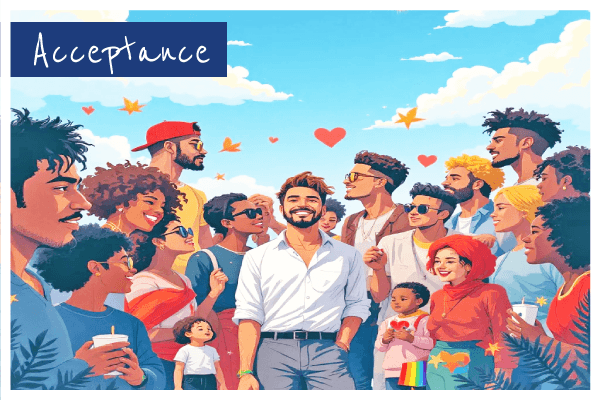
Geopolitics is constantly shifting, and where some countries are increasing their targeting of LGBTQIA+ individuals within their local community and nation, many more are seeing the community as part of the fabric of society. Though tensions and the rhetoric may become intense at times, identifying as LGBTQIA+ has and continues to be seen as accepted among many societies globally.
With increased visibility within the community and the breaking down of antiquated stereotypes, many community members are now living ordinary lives, free from persecution. The wider acceptance also means that not only are LGBTQIA+ individuals being elected to office, but many more straight people know of or have loved ones who identify as LGBTQIA+. The openness, visibility and personal connection have meant LGBTQIA+ rights and protections continue to improve worldwide.
The risk lies more in distinguishing and isolating the groups that make up the wider LGBTQIA+ community. For some time, especially within more right-leaning political movements, there have been targeted campaigns against the transgender community. People are publicly and actively spreading misinformation and exaggerating the impact the transgender community is having within society in a bid to isolate and polarise.
Even though the global transgender community is small, many of the stories and situations are blown up, exaggerated and blatant lies are being told, without any critical thinking being applied. Questions not being asked, like, how many people are we talking about? How many athletes competed? The answer is likely to be relatively few incidents or small numbers, which does not fit the epidemic narrative being widely spread by the media.
The attack on the transgender community has seen many of the LGBTQIA+ groups remain silent or in some groups, even going in on and joining in on the attack. History shows that when marginalised groups are attacked in this way, once the so-called threat is removed or obliterated, the attention shifts to other marginalised groups, potentially even gay men or women in the future.
So, those who identify as both gay and conservative might in the future see others who follow their conservative ideology personally attacking their own identity and way of life.
With increased visibility within the community and the breaking down of antiquated stereotypes, many community members are now living ordinary lives, free from persecution. The wider acceptance also means that not only are LGBTQIA+ individuals being elected to office, but many more straight people know of or have loved ones who identify as LGBTQIA+. The openness, visibility and personal connection have meant LGBTQIA+ rights and protections continue to improve worldwide.
The risk lies more in distinguishing and isolating the groups that make up the wider LGBTQIA+ community. For some time, especially within more right-leaning political movements, there have been targeted campaigns against the transgender community. People are publicly and actively spreading misinformation and exaggerating the impact the transgender community is having within society in a bid to isolate and polarise.
Even though the global transgender community is small, many of the stories and situations are blown up, exaggerated and blatant lies are being told, without any critical thinking being applied. Questions not being asked, like, how many people are we talking about? How many athletes competed? The answer is likely to be relatively few incidents or small numbers, which does not fit the epidemic narrative being widely spread by the media.
The attack on the transgender community has seen many of the LGBTQIA+ groups remain silent or in some groups, even going in on and joining in on the attack. History shows that when marginalised groups are attacked in this way, once the so-called threat is removed or obliterated, the attention shifts to other marginalised groups, potentially even gay men or women in the future.
So, those who identify as both gay and conservative might in the future see others who follow their conservative ideology personally attacking their own identity and way of life.
Gay conservatism highlights the fact that one aspect of a person’s identity, like being gay, does not define who we are. In reality, we are a collection of identifiers, including our race, ethnicity, sexuality, socioeconomic background, gender, as well as our interests and beliefs. Individual gay conservatives will also have other geographic and religious identifies such as northern, southern, Catholic, or Presbyterian.
The individuals that make up the diverse and expansive global community likely have few shared goals, priorities, opinions and beliefs with other groups within the community, coupled with geographic location, will have different goals and objectives than people who identify as gay in other parts of the world.
In a free and fair society, we must all be able to practice our beliefs and to follow our own value system; however, not at the cost of someone else. Although people may not always approve of how others live their lives, passing judgment or isolating them from society is not the solution, especially when they are living their lives and causing no harm to others.
With the rise in gay conservatism, it is crucial to ask ourselves at what point our beliefs and values are being forced on others against their will, at the same time asserting our civil liberties and freedom as a justification.
Stay safe, and until the next time.
The individuals that make up the diverse and expansive global community likely have few shared goals, priorities, opinions and beliefs with other groups within the community, coupled with geographic location, will have different goals and objectives than people who identify as gay in other parts of the world.
In a free and fair society, we must all be able to practice our beliefs and to follow our own value system; however, not at the cost of someone else. Although people may not always approve of how others live their lives, passing judgment or isolating them from society is not the solution, especially when they are living their lives and causing no harm to others.
With the rise in gay conservatism, it is crucial to ask ourselves at what point our beliefs and values are being forced on others against their will, at the same time asserting our civil liberties and freedom as a justification.
Stay safe, and until the next time.

Taking pride in being Gay. Acceptance and coming to terms with a part of what makes you can be challenging for many people. The Gayther Taking pride in being series is about celebrating all things, showcasing exceptional people, interesting facts and ways to connect with those unique communities, all designed to help and promote Taking pride in being LGBTQIA+ identities.
Learn more about the exceptional LGBTQIA+ community, discover the community’s history, the ongoing movement for equality, the size of the community and how much it contributes to the world economy, frequently asked questions and much more.
Learn more about how individual countries and regions around the world treat members of the LGBTQIA+ community. From the status and laws of same-sex marriages to gender identity recognition, this easy-to-use equality index provides a score and breakdown for every country worldwide.



IMPORTANT DISCLAIMER: All published articles have been written by members of the general public. Many will likely not be journalists nor be affiliated with any professional bodies associated with members of the media. The articles will likely be based on the authors’ own opinions, views, and experiences. Gayther does not endorse or accept any responsibility or liability regarding any materials within the news and media pages. This page may contain external links to third party websites; Gayther provides these links for your convenience and does not endorse, warrant or recommend any particular products or services. By clicking on any external links, you will leave Gayther and be taken to the third-party website, which you do so at your own risk and by accessing the site, you will be required to comply with the external third party’s terms and conditions of use and privacy policies
Discover all of the topical articles written by people from across the community and friends, all sharing their stories, opinions and experiences