








Culture vs Change:
CULTURAL PATHS TO LGBTQIA+ ACCEPTANCE GLOBALLY
- Atilla Tiriyaki
- Average Reading Time: 30 minutes
- Community
- articles, atillat, guides
For thousands of years and in every corner of the world, long before the term LGBTQIA+ even existed, people loved and lived in ways that not only gained the acceptance of their societies and communities but also honoured them for it. Today, many so-called conservative nations, including numerous across Africa and Asia, were once among the most inclusive societies on Earth, with millennia-old same-sex traditions and notable individuals from history who helped shape their modern societies. Yet that history has been buried, replaced by a false narrative that portrays queerness as foreign, modern, and even Western in some regions. Same-sex attraction transcends race, class, and era, as seen in the lives of ancient rulers and pioneers of human civilisation alike. Recognising this history shifts the conversation, emphasising that, ultimately, the persecution of LGBTQIA+ people is not a moral stance rooted in tradition; it is a political strategy, as old as power itself, designed to divide and distract.
DISCLAIMER
All published articles are intended for an audience aged 18 years and over and have been written by members of the general public. Many will likely not be journalists nor be affiliated with any professional bodies associated with members of the media. The articles will likely be based on the authors' own opinions, views, and experiences...more
Since the 1970s, the LGBTQIA+ community worldwide has gained greater representation and visibility. As awareness increases and understanding grows, people have long recognised that those who identify differently from heterosexual and cisgender individuals are not fundamentally different from them; the main difference typically being who they love or how they choose to identify. It is fair to say that, in many countries across the globe, LGBTQIA+ individuals are generally more accepted and now enjoy the freedom to live openly, marry, create their own families, all with the confidence and reassurance that, in doing so, they will not face persecution or targeted abuse simply because of something they cannot change.
As the world grows more divided, with many political movements gaining support through discord rather than unity, the LGBTQIA+ community once again seems to be targeted. The global movement has slowed since the pandemic, and some countries are reversing or enacting harsher laws that directly target and persecute those living there. The simple truth is that fostering division involves emphasising differences rather than shared bonds. Creating stories that incite disapproval or, in some cases, hatred against parts or all of the LGBTQIA+ community, all to gain power and implement policies that will affect wider society far more than the community itself ever could or will.
Some common arguments used by those spreading division include claims that the so-called LGBTQIA+ ideology is a modern invention, that the West created it, that it aims to brainwash young people, and that individuals within the community are inherently wired differently and think differently from others. All of this is, frankly, misinformation and lies, not based on fact. Historically, LGBTQIA+ individuals have lived in ancient societies for thousands of years, continually contributing to and have long been part of the fabric of human society and development. The community has roots in every culture, country, ethnicity, and faith that has or will ever exist, so it is not a Western cultural phenomenon.
In terms of families, according to studies from the National Longitudinal Lesbian Family Study (NLLFS) and BMJ Global Health (2023), based on 79 studies, children of LGBT parents are no worse off than children with heterosexual parents. Research has shown that children growing up in LGBT families often have a higher quality parent-child relationship, characterised by greater warmth and supportive behaviour. Often, being raised in environments similar to those of their heterosexual peers, where children are taught from a young age to accept people for who they are, not through brainwashing. With the concept of brainwashing often being spread as misinformation to polarise societies, instead, LGBT parents often teach empathy and understanding, all of which contribute positively to their child’s development.
Although many are familiar with these points, in an increasingly divided world, it is important to remind people of them. The simple truth is that individuals are more than just one aspect; we are not merely gay, male, straight, or working class. A quote often attributed to Aristotle, who famously wrote: ‘The whole is greater than the sum of its parts, ‘ illustrates this. We are a collection of identities, influences, experiences, and beliefs, all shaping who we become. No one is perfect or identical; not every LGBTQIA+ person is open-minded, kind, or liberal, just as not every straight man loves football or drinks beer.
Colonisation, proselytisation, evangelism, globalisation, and a constantly connected world have influenced how many cultures and societies have historically viewed and treated the LGBTQIA+ community; these factors continue to shape current beliefs, policies, and approaches. Some cultures, for thousands of years, accepted LGBTQIA+ individuals within their communities, only for centuries later to be influenced by external forces, leading them to persecute, criminalise, or worse. Let us explore the cultural context surrounding the LGBTQIA+ community, its history, and what the future might hold.
As the world grows more divided, with many political movements gaining support through discord rather than unity, the LGBTQIA+ community once again seems to be targeted. The global movement has slowed since the pandemic, and some countries are reversing or enacting harsher laws that directly target and persecute those living there. The simple truth is that fostering division involves emphasising differences rather than shared bonds. Creating stories that incite disapproval or, in some cases, hatred against parts or all of the LGBTQIA+ community, all to gain power and implement policies that will affect wider society far more than the community itself ever could or will.
Some common arguments used by those spreading division include claims that the so-called LGBTQIA+ ideology is a modern invention, that the West created it, that it aims to brainwash young people, and that individuals within the community are inherently wired differently and think differently from others. All of this is, frankly, misinformation and lies, not based on fact. Historically, LGBTQIA+ individuals have lived in ancient societies for thousands of years, continually contributing to and have long been part of the fabric of human society and development. The community has roots in every culture, country, ethnicity, and faith that has or will ever exist, so it is not a Western cultural phenomenon.
In terms of families, according to studies from the National Longitudinal Lesbian Family Study (NLLFS) and BMJ Global Health (2023), based on 79 studies, children of LGBT parents are no worse off than children with heterosexual parents. Research has shown that children growing up in LGBT families often have a higher quality parent-child relationship, characterised by greater warmth and supportive behaviour. Often, being raised in environments similar to those of their heterosexual peers, where children are taught from a young age to accept people for who they are, not through brainwashing. With the concept of brainwashing often being spread as misinformation to polarise societies, instead, LGBT parents often teach empathy and understanding, all of which contribute positively to their child’s development.
Although many are familiar with these points, in an increasingly divided world, it is important to remind people of them. The simple truth is that individuals are more than just one aspect; we are not merely gay, male, straight, or working class. A quote often attributed to Aristotle, who famously wrote: ‘The whole is greater than the sum of its parts, ‘ illustrates this. We are a collection of identities, influences, experiences, and beliefs, all shaping who we become. No one is perfect or identical; not every LGBTQIA+ person is open-minded, kind, or liberal, just as not every straight man loves football or drinks beer.
Colonisation, proselytisation, evangelism, globalisation, and a constantly connected world have influenced how many cultures and societies have historically viewed and treated the LGBTQIA+ community; these factors continue to shape current beliefs, policies, and approaches. Some cultures, for thousands of years, accepted LGBTQIA+ individuals within their communities, only for centuries later to be influenced by external forces, leading them to persecute, criminalise, or worse. Let us explore the cultural context surrounding the LGBTQIA+ community, its history, and what the future might hold.
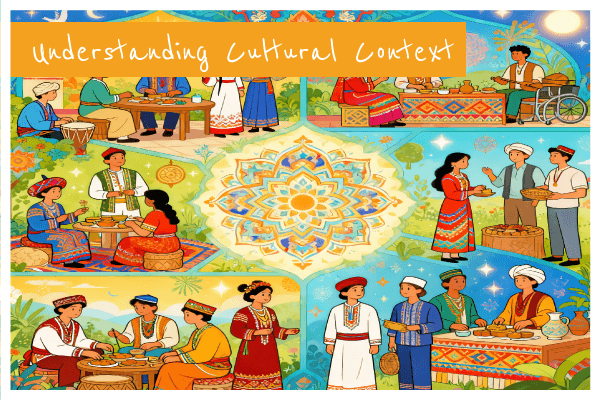
Before we explore the cultural context, it is essential first to clarify what we mean by culture. A culture is a way of life for a group of individuals. It is a collective experience, a belief system, what they value, and even the clothes they wear and the buildings they live in. Culture is both tangible and intangible, with the intangible being what is important to them: their values, what they consider true, their reality and beliefs, the rules of behaviour and family traditions, their norms and mannerisms, characteristics, and language. The tangible aspects include architecture specific to their area or region, their art, technology, clothing, music, and more.
Two individuals growing up in the same culture and society may lead very different lives, even hold different beliefs; however, at their core, they will share similar influences and experiences. It is not solely about culture, but also about age, background, and even faith. Therefore, even though a culture sets reference points and similarities, it does not mean everyone in that society will act or behave the same; it simply means there is a fundamental set of principles and experiences that many are likely to share.
Whether historically or in the present, whether a society supports or opposes something does not mean everyone shares the same views. An ancient text describing how all priests were transgender and revered within society does not imply that every individual in that society felt that way, just as an account stating that the LGBTQIA+ community was actively persecuted by all within that society does not mean everyone felt the same. The reality is that those in power, the policymakers, often represent a dominant opinion and create a public account and record, which may reflect the majority or some within society, but not all. One Roman Emperor might have been pro-gay, while another enacted a policy that persecuted same-sex relationships.
In reality, throughout history, the LGBTQIA+ has had a long and complex history, one that is also very different by continent, region and country. With periods of persecution directly correlating with colonisation, invading forces brought their own cultures, beliefs, faiths, and values that influenced the societies and countries they conquered. The missionary quests, and the spread of faiths, especially Christian faiths, in Africa and Asia, and globalisation also rewired how many cultures viewed their positions, traditions and belief structures, often turning tolerance into active persecution.
Most countries and cultures around the world developed differently, even though the LGBTQIA+ community existed in all civilisations, nations, and cultures. How they were viewed, treated, and accepted by society led some to hide their identities out of fear of persecution, living secretly within a hidden society. In contrast, others lived openly, often on the fringes. Clerics of various faiths have clearly influenced how the community has been treated historically and continues to be treated today. An important distinction exists between faiths and their representatives. For a long time, many prominent theologians, religious scholars, and faith leaders, such as Reverend Peter J. Gomes, Bishop Yvette Flunder, and Imam Daayiee Abdullah, have been working to debunk fundamentalist views. Key figures within faiths argue that fundamentalism often misinterprets and distorts faith, that faith and texts are alive and constantly evolving with society, and that taking verses from the Bible, often called clobber passages, and using them to condemn homosexuality, are being distorted and being used and frequently taken out of their historical context.
It is important to understand the historical shifts and changes in attitudes towards the LGBTQIA+ communities worldwide. Looking at specific continents, regions, and countries, and how, seemingly, a once-tolerant and open society changed over time under outside influences; how many are struggling to keep up with the same cultures that heavily influenced their way of life; and what the future might hold for them.
Two individuals growing up in the same culture and society may lead very different lives, even hold different beliefs; however, at their core, they will share similar influences and experiences. It is not solely about culture, but also about age, background, and even faith. Therefore, even though a culture sets reference points and similarities, it does not mean everyone in that society will act or behave the same; it simply means there is a fundamental set of principles and experiences that many are likely to share.
Whether historically or in the present, whether a society supports or opposes something does not mean everyone shares the same views. An ancient text describing how all priests were transgender and revered within society does not imply that every individual in that society felt that way, just as an account stating that the LGBTQIA+ community was actively persecuted by all within that society does not mean everyone felt the same. The reality is that those in power, the policymakers, often represent a dominant opinion and create a public account and record, which may reflect the majority or some within society, but not all. One Roman Emperor might have been pro-gay, while another enacted a policy that persecuted same-sex relationships.
In reality, throughout history, the LGBTQIA+ has had a long and complex history, one that is also very different by continent, region and country. With periods of persecution directly correlating with colonisation, invading forces brought their own cultures, beliefs, faiths, and values that influenced the societies and countries they conquered. The missionary quests, and the spread of faiths, especially Christian faiths, in Africa and Asia, and globalisation also rewired how many cultures viewed their positions, traditions and belief structures, often turning tolerance into active persecution.
Most countries and cultures around the world developed differently, even though the LGBTQIA+ community existed in all civilisations, nations, and cultures. How they were viewed, treated, and accepted by society led some to hide their identities out of fear of persecution, living secretly within a hidden society. In contrast, others lived openly, often on the fringes. Clerics of various faiths have clearly influenced how the community has been treated historically and continues to be treated today. An important distinction exists between faiths and their representatives. For a long time, many prominent theologians, religious scholars, and faith leaders, such as Reverend Peter J. Gomes, Bishop Yvette Flunder, and Imam Daayiee Abdullah, have been working to debunk fundamentalist views. Key figures within faiths argue that fundamentalism often misinterprets and distorts faith, that faith and texts are alive and constantly evolving with society, and that taking verses from the Bible, often called clobber passages, and using them to condemn homosexuality, are being distorted and being used and frequently taken out of their historical context.
It is important to understand the historical shifts and changes in attitudes towards the LGBTQIA+ communities worldwide. Looking at specific continents, regions, and countries, and how, seemingly, a once-tolerant and open society changed over time under outside influences; how many are struggling to keep up with the same cultures that heavily influenced their way of life; and what the future might hold for them.
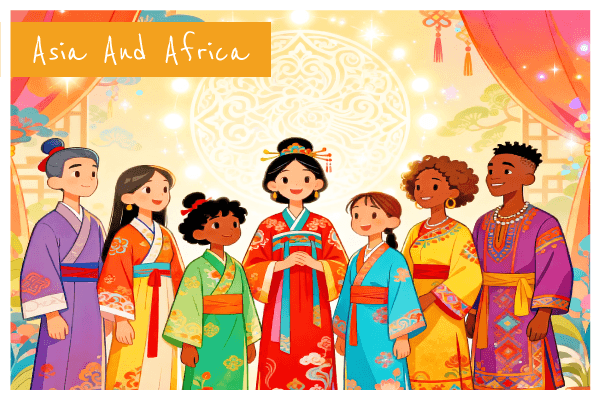
In 2026, across the African continent, 31, or 54%, out of 57 countries, still criminalise same-sex relationships, while in Asia, 23, or 45%, out of 51 countries, also criminalise gay acts, almost double the average across all continents. Asia has just 3 countries that recognise same-sex marriage, meaning 48 countries, or 94%, do not permit it or have constitutional bans in place. In Africa, only 4 countries, with 53, or 93%, do not permit or ban same-sex marriage. For the communities living within Africa, only 7 countries (12%) ban all forms of discrimination and 10 countries (18%) ban some forms. In contrast, 5 countries (10%) ban all forms of discrimination in Asia and 13 countries (25%) ban some forms of discrimination against the LGBTQIA+ community.
Based on the Gayther Equality Index statistics, the situation for LGBTQIA+ individuals living in Africa and Asia remains grim. Many face active persecution, a lack of protection, and the deprivation of their fundamental human rights, solely because of who they love or how they choose to identify. Although progress may be slow, was it ever different in Africa and Asia?
Based on the Gayther Equality Index statistics, the situation for LGBTQIA+ individuals living in Africa and Asia remains grim. Many face active persecution, a lack of protection, and the deprivation of their fundamental human rights, solely because of who they love or how they choose to identify. Although progress may be slow, was it ever different in Africa and Asia?
AFRICA
Faith is often used to justify many policies and laws in Africa. It is estimated that 697 million, or 31% of the world’s Christian population, live in Africa, making it the continent with the second-largest number of Christians, after the Americas at 34%. Africa is experiencing rapid growth, with an estimated 1.1 billion people identifying as Christian by 2050. Currently, around 50% of the population identifies as Christian, approximately 40% as Muslim, and just 10% follow traditional African religions. This rapid growth has been driven by many established faiths, which focus on influencing policy and converting Africans, especially as white, caucasian populations continue to decline in Europe and North America.
In Africa, although the history is complex, the persecution of the community is mostly a recent development, stemming from 19th-century European colonialism. In the mid to late 1800s, Britain controlled the most colonies, numbering 14, followed by France with 7, Germany with 4, Portugal with 3, Italy with 3, Spain with 3, and Belgium with 1. In fact, Abyssinia (now known as Ethiopia) and Liberia were the only independent nations at the start of the First World War.
Although much of Africa is considered conservative today, this was not always the case. Contemporary African leaders like Robert Mugabe from Zimbabwe and Yoweri Museveni from Uganda are known to portray same-sex relationships as Western imports or a ‘white disease’ to rally political support; however, given the continent’s long history, activists like Sylvia Tamale argue that homophobia, not homosexuality, was the true Western import. Whether it was views on same-sex relationships in ancient Egypt or the Azande boy wives in central Africa, LGBTQIA+ history is far older and not as divisive as many are led to believe.
One significant figure is King Mwanga II, the 31st Kabaka of Buganda, who lived in the 1800s in what is now Uganda. King Mwanga ascended to the throne at age 16 and openly engaged in relationships with other men, famously maintaining a harem of male pages. He was a king under British colonial rule who openly antagonised the British, who regarded his lifestyle as hedonistic and satanic and attempted to convert him. Same-sex relationships were not limited to one country or region; another example is the boy wives from the Azande kingdom. Azande, now part of South Sudan, had a tradition where male warriors paid for a younger man to live in a domestic union until the younger man reached maturity.
It was not exclusive to sexuality; the Chibados of Angola, referenced in the 1500s, were biological males who lived as women and served as powerful spirit mediums and healers. They were highly respected and often married men. Mudoko Dako of Uganda were male at birth but identified as a distinct third gender. In the Ashtime of Ethiopia, in the Maale culture, males were considered feminine at birth but adopted masculine roles. The term “Gorgin” was used in Senegal to refer to individuals who did not fit traditional male roles. This phenomenon was not limited to civilisations but also appeared in African faiths and religions, with many West African religions featuring gods with fluid or dual genders, such as Mawu-Lisa, the Dahomey creator, and Esu, the Yoruba messenger.
In reality, LGBTQIA+ history is long-standing, with various examples and levels of acceptance within these communities, and many LGBTQIA+ individuals holding significant roles in these early civilisations.
In Africa, although the history is complex, the persecution of the community is mostly a recent development, stemming from 19th-century European colonialism. In the mid to late 1800s, Britain controlled the most colonies, numbering 14, followed by France with 7, Germany with 4, Portugal with 3, Italy with 3, Spain with 3, and Belgium with 1. In fact, Abyssinia (now known as Ethiopia) and Liberia were the only independent nations at the start of the First World War.
Although much of Africa is considered conservative today, this was not always the case. Contemporary African leaders like Robert Mugabe from Zimbabwe and Yoweri Museveni from Uganda are known to portray same-sex relationships as Western imports or a ‘white disease’ to rally political support; however, given the continent’s long history, activists like Sylvia Tamale argue that homophobia, not homosexuality, was the true Western import. Whether it was views on same-sex relationships in ancient Egypt or the Azande boy wives in central Africa, LGBTQIA+ history is far older and not as divisive as many are led to believe.
One significant figure is King Mwanga II, the 31st Kabaka of Buganda, who lived in the 1800s in what is now Uganda. King Mwanga ascended to the throne at age 16 and openly engaged in relationships with other men, famously maintaining a harem of male pages. He was a king under British colonial rule who openly antagonised the British, who regarded his lifestyle as hedonistic and satanic and attempted to convert him. Same-sex relationships were not limited to one country or region; another example is the boy wives from the Azande kingdom. Azande, now part of South Sudan, had a tradition where male warriors paid for a younger man to live in a domestic union until the younger man reached maturity.
It was not exclusive to sexuality; the Chibados of Angola, referenced in the 1500s, were biological males who lived as women and served as powerful spirit mediums and healers. They were highly respected and often married men. Mudoko Dako of Uganda were male at birth but identified as a distinct third gender. In the Ashtime of Ethiopia, in the Maale culture, males were considered feminine at birth but adopted masculine roles. The term “Gorgin” was used in Senegal to refer to individuals who did not fit traditional male roles. This phenomenon was not limited to civilisations but also appeared in African faiths and religions, with many West African religions featuring gods with fluid or dual genders, such as Mawu-Lisa, the Dahomey creator, and Esu, the Yoruba messenger.
In reality, LGBTQIA+ history is long-standing, with various examples and levels of acceptance within these communities, and many LGBTQIA+ individuals holding significant roles in these early civilisations.
ASIA
Similar to Africa and Asia, the influence, history, and development of LGBTQIA+ rights are often connected to faiths. About 28% of the continent is Muslim, mainly in Central and Western Asia and parts of South-Central and South-Eastern Asia. Hinduism is practised by around 22.8% of Asians, mainly in India and Nepal (South Central). Christianity accounts for approximately 12% of the population, mainly in the Philippines and Timor-Leste (Southeast Asia), as well as in parts of South Korea. Around 11% of the continent identify as Taoist and Buddhist, alongside Confucianism in Eastern Asia (China, Japan, Korea) and South-eastern Asia (Thailand, Myanmar, Laos, and Cambodia).
The treatment of the LGBTQIA+ community varies greatly across different regions. Many countries with Buddhist and Taoist traditions generally have no history of systemic or government-sponsored persecution. Their approach to the community is partly influenced by a focus on internal balance rather than strict moral statutes. LGBTQIA+ individuals are often tolerated or overlooked, usually as long as they do not impact the family or others.
In Japan, there was a samurai tradition known as wakashudō, the way of the youth, where warriors formed romantic bonds with younger men. This practice lasted from the medieval period through the 19th century. Same-sex relationships in China have been documented since ancient times, and there is even a Chinese folklore deity, Rabbit God, Tu’er Shen, who protected and oversaw love between men. Many Taoist and Buddhist countries generally began to criminalise and view LGBTQIA+ identities negatively when Western colonisation reached their regions, citing them as unnatural acts.
In the Islamic world, the history of same-sex relationships has been diverse, and the treatment has varied greatly. During the Islamic Golden Age, from the 8th century to the 13th century, literature and poetry often mentioned same-sex relationships, indicating both awareness and limited acceptance in some circles. Over the centuries, many caliphs and sultans, such as Al-Amin of Baghdad and Mahmud of Ghazni, were known to have male favourites and to form romantic bonds with men. The Siwan people, a nomadic tribe from Egypt, were recognised for having a system of formal marriage contracts between men that were legally acknowledged within the community. The Siwa Oasis was documented, and this practice continued for centuries, up until the 19th century. Although ancient laws imposed heavy penalties on those found guilty of same-sex acts, such acts were often ignored for thousands of years, with attitudes only shifting with the expansion of Christianity and its views on immoral acts.
In many parts of Asia, the concept of a third gender is long established. The Hijra in South Asia is mentioned in the Kama Sutra from the 4th century BCE and has a history spanning thousands of years. In Mesopotamia, now in modern-day Iraq and Syria, people worshipped the goddess Inanna, also known as Ishtar, who was believed to have the power to transform a man into a woman and vice versa. The followers of the goddess were transgender or non-binary clergy, known as kurgarra and galatur, who were considered sacred mediators. Hindu and Vedic texts frequently describe deities and saints who transcend gender, such as the Ardhanarishvara, a form of the deities Shiva and Parvati.
Today, many countries with more extreme views and punishments related to the LGBTQIA+ community tend to be more conservative in the Islamic faith. Although Islamic scholars have analysed and debated the hadiths (sayings of the prophet), in reality, there are no examples of the Prophet Muhammad ever executing or prescribing the death penalty for someone specifically for being gay or transgender during his lifetime.
The treatment of the LGBTQIA+ community varies greatly across different regions. Many countries with Buddhist and Taoist traditions generally have no history of systemic or government-sponsored persecution. Their approach to the community is partly influenced by a focus on internal balance rather than strict moral statutes. LGBTQIA+ individuals are often tolerated or overlooked, usually as long as they do not impact the family or others.
In Japan, there was a samurai tradition known as wakashudō, the way of the youth, where warriors formed romantic bonds with younger men. This practice lasted from the medieval period through the 19th century. Same-sex relationships in China have been documented since ancient times, and there is even a Chinese folklore deity, Rabbit God, Tu’er Shen, who protected and oversaw love between men. Many Taoist and Buddhist countries generally began to criminalise and view LGBTQIA+ identities negatively when Western colonisation reached their regions, citing them as unnatural acts.
In the Islamic world, the history of same-sex relationships has been diverse, and the treatment has varied greatly. During the Islamic Golden Age, from the 8th century to the 13th century, literature and poetry often mentioned same-sex relationships, indicating both awareness and limited acceptance in some circles. Over the centuries, many caliphs and sultans, such as Al-Amin of Baghdad and Mahmud of Ghazni, were known to have male favourites and to form romantic bonds with men. The Siwan people, a nomadic tribe from Egypt, were recognised for having a system of formal marriage contracts between men that were legally acknowledged within the community. The Siwa Oasis was documented, and this practice continued for centuries, up until the 19th century. Although ancient laws imposed heavy penalties on those found guilty of same-sex acts, such acts were often ignored for thousands of years, with attitudes only shifting with the expansion of Christianity and its views on immoral acts.
In many parts of Asia, the concept of a third gender is long established. The Hijra in South Asia is mentioned in the Kama Sutra from the 4th century BCE and has a history spanning thousands of years. In Mesopotamia, now in modern-day Iraq and Syria, people worshipped the goddess Inanna, also known as Ishtar, who was believed to have the power to transform a man into a woman and vice versa. The followers of the goddess were transgender or non-binary clergy, known as kurgarra and galatur, who were considered sacred mediators. Hindu and Vedic texts frequently describe deities and saints who transcend gender, such as the Ardhanarishvara, a form of the deities Shiva and Parvati.
Today, many countries with more extreme views and punishments related to the LGBTQIA+ community tend to be more conservative in the Islamic faith. Although Islamic scholars have analysed and debated the hadiths (sayings of the prophet), in reality, there are no examples of the Prophet Muhammad ever executing or prescribing the death penalty for someone specifically for being gay or transgender during his lifetime.
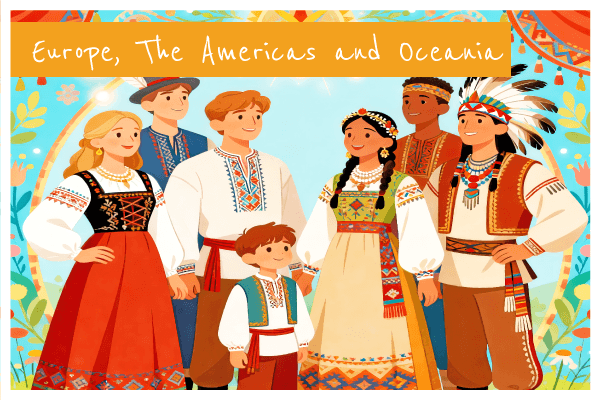
In 2026, of the 48 countries in Europe, none have laws that criminalise same-sex relationships. In the Americas, only 6 countries, or 11%, out of 53, still criminalise same-sex acts. Oceania has the highest, with 7 countries or 29%, out of 24, that still have outdated same-sex laws. Twenty-five countries (52%) in Europe recognise same-sex marriage, followed by 24 countries (45%) in the Americas, and Oceania, with the lowest at 33% (8 countries), recognising same-sex unions. Regarding anti-discrimination laws, 40 countries (83%) in Europe, 30 countries (57%) in the Americas, and 9 countries (38%) in Oceania ban all forms of discrimination. Only 3 countries (6%) in Europe, 13 countries (25%) in the Americas, and 8 countries (33%) in Oceania have no bans against discrimination of the LGBTQIA+ community.
According to the Gayther Equality Index statistics, the situation in Europe, the Americas, and Oceania appears positive; however, it does not tell the whole story. Although some regions still have progress to make, the hard-won achievements are at risk. Since the pandemic, the LGBTQIA+ equality movement has been progressing slowly, and the number of right-leaning political parties has been winning elections and gaining control of governments in many major nations worldwide. We are beginning to see signs of anti-LGBTQIA+ policies emerging. In the Americas, the Trump administration has issued several executive orders targeting the community. At the same time, European countries such as Poland, Hungary, Bulgaria, and Romania have either attempted to cancel annual pride parades or declared so-called LGBT-free zones.
According to the Gayther Equality Index statistics, the situation in Europe, the Americas, and Oceania appears positive; however, it does not tell the whole story. Although some regions still have progress to make, the hard-won achievements are at risk. Since the pandemic, the LGBTQIA+ equality movement has been progressing slowly, and the number of right-leaning political parties has been winning elections and gaining control of governments in many major nations worldwide. We are beginning to see signs of anti-LGBTQIA+ policies emerging. In the Americas, the Trump administration has issued several executive orders targeting the community. At the same time, European countries such as Poland, Hungary, Bulgaria, and Romania have either attempted to cancel annual pride parades or declared so-called LGBT-free zones.
EUROPE
When discussing Europe, although its civilisation and history are on par with those of any other continent, there is no denying that through colonisation, religious crusades, and even the modern dominance of Western media and entertainment, Europe has long had one of the most significant impacts on the world. Known as the old continent or the cradle and birthplace of Western Civilisation, the history and treatment of the LGBTQIA+ community is extensive and somewhat complex. Faith, particularly Christianity, played a crucial role in shaping the continent’s growth and development; however, today, as attitudes shift and many of the major faiths soften their stances towards the community, the reality is very different from what it was just 100 years ago.
In the ancient world, especially in Greece and Rome, same-sex relationships were governed by strict social customs rather than modern concepts of sexual identity. Acceptance often depended on social rank, age, and the roles individuals played. For instance, Roman writers report that Emperor Nero participated in same-sex marriage ceremonies. In contrast, the emperor Hadrian openly honoured his companion Antinous, deifying him after he died in 130 CE and establishing a city named after him. In ancient Greece, the poet Sappho of Lesbos composed lyric poetry expressing love for women, and her legacy later inspired terms such as “sapphic” and “lesbian”. Evidence for similar practices in Celtic and Germanic societies is more limited and less definitive.
In Italy, a 4th-century grave was discovered containing two skeletons found holding hands, known as the Lovers of Modena. For years, it was believed they were a man and a woman, but in 2019, protein analysis of their tooth enamel revealed that both were male. Although the nature of their relationship remains uncertain, the discovery has sparked discussions about same-sex bonds in the ancient world. In ancient mythology, there are also stories involving same-sex relationships or themes, such as Zeus and Ganymede, Heracles and Hylas, and Iphis and Ianthe.
Gender roles also played a significant part in ancient European societies. In Central Europe, archaeologists have uncovered Bronze Age burials (c. 2900–1600 BC) where the items placed inside the graves did not conform to typical gender patterns. This suggests that social roles may not always have been linked to biological sex, with some believing that a third gender might have been recognised in certain ancient societies. The Vix Grave, discovered in 1953 in Burgundy, France, is a notable example of a high-status female burial dating to around 500 BC. DNA analysis confirmed the individual was a woman, buried with exceptional wealth and prestige, demonstrating that women could hold considerable social power.
The shift from tolerance, and in some ancient societies even acceptance, to stricter restrictions and targeted policies gradually developed as Christianity spread. In the Roman Empire, emperors such as Constantius II issued laws in 342 CE condemning certain same-sex unions. Over time, especially during the medieval period and in the period known as the Inquisition, same-sex acts were increasingly criminalised and considered serious sins, with penalties varying across regions. Many of these laws targeting those involved were exported globally through European colonialism. Under the British Empire, laws like Section 377 were introduced across many parts of Africa, Asia, and other regions, shaping legal systems that persisted long after colonial rule.
In a striking historical contrast, some countries in Africa and Asia that once had more flexible or varied attitudes toward gender and sexuality have, since the end of colonisation, adopted more restrictive laws, with some continuing to enforce harsh penalties against LGBTQIA+ individuals. Meanwhile, many European nations, despite having earlier histories of criminalisation, have, particularly in recent decades, developed more progressive legal protections and are often regarded as among the most supportive environments for LGBTQIA+ rights in the world. This contrast reflects the enduring impact of colonial-era laws and the diverging social, political, and cultural developments in the modern world.
In the ancient world, especially in Greece and Rome, same-sex relationships were governed by strict social customs rather than modern concepts of sexual identity. Acceptance often depended on social rank, age, and the roles individuals played. For instance, Roman writers report that Emperor Nero participated in same-sex marriage ceremonies. In contrast, the emperor Hadrian openly honoured his companion Antinous, deifying him after he died in 130 CE and establishing a city named after him. In ancient Greece, the poet Sappho of Lesbos composed lyric poetry expressing love for women, and her legacy later inspired terms such as “sapphic” and “lesbian”. Evidence for similar practices in Celtic and Germanic societies is more limited and less definitive.
In Italy, a 4th-century grave was discovered containing two skeletons found holding hands, known as the Lovers of Modena. For years, it was believed they were a man and a woman, but in 2019, protein analysis of their tooth enamel revealed that both were male. Although the nature of their relationship remains uncertain, the discovery has sparked discussions about same-sex bonds in the ancient world. In ancient mythology, there are also stories involving same-sex relationships or themes, such as Zeus and Ganymede, Heracles and Hylas, and Iphis and Ianthe.
Gender roles also played a significant part in ancient European societies. In Central Europe, archaeologists have uncovered Bronze Age burials (c. 2900–1600 BC) where the items placed inside the graves did not conform to typical gender patterns. This suggests that social roles may not always have been linked to biological sex, with some believing that a third gender might have been recognised in certain ancient societies. The Vix Grave, discovered in 1953 in Burgundy, France, is a notable example of a high-status female burial dating to around 500 BC. DNA analysis confirmed the individual was a woman, buried with exceptional wealth and prestige, demonstrating that women could hold considerable social power.
The shift from tolerance, and in some ancient societies even acceptance, to stricter restrictions and targeted policies gradually developed as Christianity spread. In the Roman Empire, emperors such as Constantius II issued laws in 342 CE condemning certain same-sex unions. Over time, especially during the medieval period and in the period known as the Inquisition, same-sex acts were increasingly criminalised and considered serious sins, with penalties varying across regions. Many of these laws targeting those involved were exported globally through European colonialism. Under the British Empire, laws like Section 377 were introduced across many parts of Africa, Asia, and other regions, shaping legal systems that persisted long after colonial rule.
In a striking historical contrast, some countries in Africa and Asia that once had more flexible or varied attitudes toward gender and sexuality have, since the end of colonisation, adopted more restrictive laws, with some continuing to enforce harsh penalties against LGBTQIA+ individuals. Meanwhile, many European nations, despite having earlier histories of criminalisation, have, particularly in recent decades, developed more progressive legal protections and are often regarded as among the most supportive environments for LGBTQIA+ rights in the world. This contrast reflects the enduring impact of colonial-era laws and the diverging social, political, and cultural developments in the modern world.
THE AMERICAS
As in Africa, the history of the Americas regarding LGBTQIA+ issues can be divided into pre- and post-colonisation periods. Today, many countries in the Americas have been profoundly shaped by European colonisation, with large numbers of settlers from Britain, Spain, and France migrating over several centuries. European powers dominated the region: Spain controlled most of Central and South America, while Portugal governed Brazil. Britain established colonies in regions that became the United States, Canada, and parts of the Caribbean, including Jamaica and Barbados. France controlled areas such as parts of Canada, Haiti, and Guadeloupe, while the Netherlands held Suriname and several Caribbean territories. Denmark maintained smaller colonies, including Greenland and what are now the United States Virgin Islands.
Among Indigenous populations of the Americas, evidence suggests that some societies were much more tolerant and held more flexible views and understandings of gender and sexuality. However, these practices varied greatly across different cultures and regions. In parts of the Andes, it is believed that some individuals who were not heterosexual may have been regarded as possessing certain powers and could have been considered special or sacred beings, occupying roles such as shamans. In Mayan cultures, there is historical evidence that same-sex relationships were tolerated, and some individuals believed that they preferred them to heterosexual premarital sex. Cave paintings at Naj Tunich in Guatemala depict diverse sexual expressions, including what is believed to be some that show same-sex acts.
In North America, some Indigenous cultures recognised individuals who embodied both masculine and feminine traits, often referred to today as Two-Spirit, who might hold a respected social or spiritual role, depending on the community. In southern Mexico, the Zapotec people have long recognised a third gender known as Muxe. In Andean contexts, accounts describe figures such as the Quariwarmi, individuals who combined gendered roles in ritual settings, and were believed to have worn female-like clothing, worshipping the Chuqui Chinchay, a dual-gendered jaguar deity.
While the modern Americas have, in many cases, developed increasingly progressive legal frameworks for LGBTQIA+ individuals, historical evidence suggests that some pre-colonial societies may have had more flexible approaches to gender and sexuality. The impact of European colonisation, including the introduction of Christian moral frameworks and legal systems, contributed to the suppression of these practices and the development of more restrictive attitudes, with effects that persisted for centuries. Today, levels of acceptance vary widely across the Americas, though several countries are widely regarded as among the most progressive globally in LGBTQIA+ rights.
Among Indigenous populations of the Americas, evidence suggests that some societies were much more tolerant and held more flexible views and understandings of gender and sexuality. However, these practices varied greatly across different cultures and regions. In parts of the Andes, it is believed that some individuals who were not heterosexual may have been regarded as possessing certain powers and could have been considered special or sacred beings, occupying roles such as shamans. In Mayan cultures, there is historical evidence that same-sex relationships were tolerated, and some individuals believed that they preferred them to heterosexual premarital sex. Cave paintings at Naj Tunich in Guatemala depict diverse sexual expressions, including what is believed to be some that show same-sex acts.
In North America, some Indigenous cultures recognised individuals who embodied both masculine and feminine traits, often referred to today as Two-Spirit, who might hold a respected social or spiritual role, depending on the community. In southern Mexico, the Zapotec people have long recognised a third gender known as Muxe. In Andean contexts, accounts describe figures such as the Quariwarmi, individuals who combined gendered roles in ritual settings, and were believed to have worn female-like clothing, worshipping the Chuqui Chinchay, a dual-gendered jaguar deity.
While the modern Americas have, in many cases, developed increasingly progressive legal frameworks for LGBTQIA+ individuals, historical evidence suggests that some pre-colonial societies may have had more flexible approaches to gender and sexuality. The impact of European colonisation, including the introduction of Christian moral frameworks and legal systems, contributed to the suppression of these practices and the development of more restrictive attitudes, with effects that persisted for centuries. Today, levels of acceptance vary widely across the Americas, though several countries are widely regarded as among the most progressive globally in LGBTQIA+ rights.
OCEANIA
As in the Americas and Africa, the history of LGBTQIA+ issues in Oceania can be divided into pre- and post-colonisation periods. European colonisation greatly influenced many countries in Oceania, with settlers from Britain, France, Germany, the Netherlands, and the United States establishing control over various islands and territories. Britain colonised Australia, New Zealand, Fiji, and other Pacific islands at different times. France still governs New Caledonia and French Polynesia. Germany controlled parts of Papua New Guinea and Micronesia until the end of World War I, and the Netherlands held western New Guinea (now part of Indonesia). The United States annexed Hawaii in 1898 and took control of Guam and American Samoa.
Indigenous societies in Oceania have long-standing traditions of gender diversity and same-sex relationships. Among Aboriginal and Torres Strait Islander communities, terms such as Sistergirls and Brotherboys describe gender-diverse individuals. In some Melanesian societies, ritualised male–male intimacy was part of initiation or social bonding. In Māori communities of Aotearoa/New Zealand, takatāpui was a term for same-sex partners in traditional stories and is now broadly used as an inclusive term for LGBTQIA+ individuals. In Hawaii, the aikāne referred to same-sex partners, often among the elite, whose relationships were acknowledged and respected.
In Samoa, the faʻafafine are male-assigned individuals who embody both masculine and feminine traits and are recognised as a third gender in Samoan society. In Tonga and the Cook Islands, transgender individuals known as leitis and akava’ine have historically held respected social roles, serving as orators, caregivers, and cultural performers. In many Indigenous Pacific cultures, gender and sexuality are viewed as fluid and non-binary, and individuals who do not conform to strict gender roles often hold important spiritual or social functions within their communities.
Today, modern Oceania displays a broad range of acceptance. Countries like Australia and New Zealand have progressive laws safeguarding LGBTQIA+ rights. However, in many smaller Pacific nations, especially where Christianity is influential, colonial and religious legacies have sustained stigma, and legal protections for LGBTQIA+ individuals remain limited.
Indigenous societies in Oceania have long-standing traditions of gender diversity and same-sex relationships. Among Aboriginal and Torres Strait Islander communities, terms such as Sistergirls and Brotherboys describe gender-diverse individuals. In some Melanesian societies, ritualised male–male intimacy was part of initiation or social bonding. In Māori communities of Aotearoa/New Zealand, takatāpui was a term for same-sex partners in traditional stories and is now broadly used as an inclusive term for LGBTQIA+ individuals. In Hawaii, the aikāne referred to same-sex partners, often among the elite, whose relationships were acknowledged and respected.
In Samoa, the faʻafafine are male-assigned individuals who embody both masculine and feminine traits and are recognised as a third gender in Samoan society. In Tonga and the Cook Islands, transgender individuals known as leitis and akava’ine have historically held respected social roles, serving as orators, caregivers, and cultural performers. In many Indigenous Pacific cultures, gender and sexuality are viewed as fluid and non-binary, and individuals who do not conform to strict gender roles often hold important spiritual or social functions within their communities.
Today, modern Oceania displays a broad range of acceptance. Countries like Australia and New Zealand have progressive laws safeguarding LGBTQIA+ rights. However, in many smaller Pacific nations, especially where Christianity is influential, colonial and religious legacies have sustained stigma, and legal protections for LGBTQIA+ individuals remain limited.
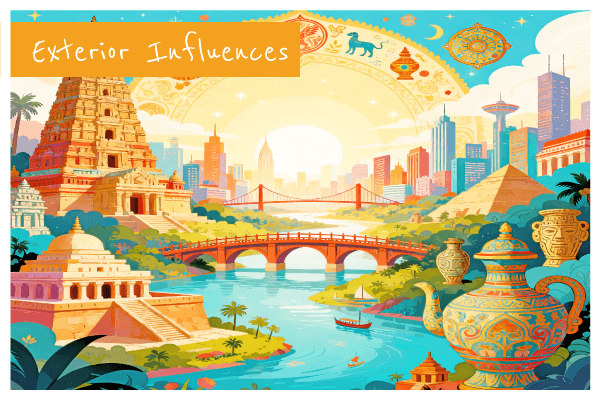
The question many people ask is why. Why do some governments target the LGBTQIA+ community? Why are many of the major denominations and large conglomerates often quietly funding and operating within many of the developing world economies? And ultimately, what is the endgame?
All valid questions, but the simple answer is that divided and distracted populations are easier to control and manipulate to the point that things go unnoticed. Redirecting public attention and frustrations onto minority groups, emphasising differences, and keeping people focused leftward are tactics. When they look right, what they see is blatant corruption, the cheap sell-off of national assets and services, and overall mismanagement, issues that affect their daily lives more than an LGBTQIA+ person or a refugee fleeing persecution ever will. The number of migrants entering a country, or what consenting adults do privately, will not affect most people’s lives within a given country, just as the cost of living, job prospects, safety, and access to affordable healthcare and services do.
External influences are not always direct, even when as confrontational as those often aimed at the community. Traditional, new, and social media all play a vital role in influencing and guiding the masses. They highlight specific topics, present information they want the majority to focus on, and flood the zone with thousands of stories, some so absurd that the truth and what is really happening are often overlooked or ignored. Some mainstream media outlets report on stories pre-approved by those in power, dominating the news cycle. At the same time, many independent journalists with smaller platforms are ignored, with their stories rarely gaining traction or public attention. It is not always so sinister; sometimes it is the carrot-and-stick approach, offering a bigger story that will likely attract more attention while suppressing another. The reality is that most members of the general public are not very interested in fiscal policies or the inner workings of government, even though both have a significant impact on their lives.
Many politicians and media-savvy individuals excel at creating spin, taking a question or story, especially when unfavourable, and transforming it into something that advances their agenda or showcases their achievements. They deflect and control the narrative to seem in command and knowledgeable, all while suppressing or avoiding vital questions about their policies and conduct. However, the truth often eventually comes to light. Today, many of us feel desensitised to what is happening around us and powerless to bring about change. These feelings are deliberately manufactured, serving as a smokescreen over reality, hiding the fact that power ultimately resides with people like you.
Corporations lobbying decision-makers and politicians to pass pro-business legislation, ensuring that natural resources are sold cheaply to an intermediary, who then sells those same resources at a higher price on international markets, are doing so all to ensure that the people within that country receive less, the country remains economically weak, and many politicians remain corrupt. Measures that would not be tolerated in many developed countries, especially concerning the health and well-being of citizens, are implemented to help businesses improve their bottom line. Why is it important to achieve these goals? It is crucial for them that 99% of the population stay distracted, remain divided, and focus on differences rather than on what is really happening around them.
The persecution and targeting of minority groups often coincide with extreme political movements, both left and right, and fascist regimes. These groups promise lower prices, better governance, the eradication of corruption, and the restoration of national pride. However, once in power, they rarely deliver on these promises and instead worsen conditions by stripping away people’s rights and increasing hostility towards vulnerable groups. Many are given a mandate to bring about change and improve national conditions, not to revoke the rights of those who elected them or to target minority groups within the country. The situation that unfolds reveals the real reasons behind why the LGBTQIA+ community has been targeted throughout history: to gain power, control the masses, and ensure society remains fragmented, making it easier to manipulate. This approach emphasises differences rather than the many things we have in common.
Societies that function well, that are fair, welcoming and inclusive often celebrate difference and do not fear it. When jobs and opportunities are abundant, the cost of living is low, crime rates are low, and citizens live in good health, the questions we hear today are not highlighted or discussed. You do not hear whether hard-working immigrants should be allowed to work, whether labour laws should go back to the 1900s, at a time when women were prohibited from working and when openly LGBTQIA+ individuals were discriminated against and when their access to opportunities was limited or restricted. These conditions only exist where society is fundamentally broken, one where it benefits the few, not the many and where incompetence is hidden by sowing division.
What makes us different from each other is only ever highlighted and weaponised when they need to divide, conquer and distract. When corporations seek to introduce favourable conditions for themselves at the expense of the people and communities they serve, and when value is stripped from a community and held by corrupt individuals and the few. Who a person loves or chooses to identify with has never really been an issue, especially since it has no impact on most people’s lives; it is instead a convenient distraction invoked whenever it benefits external forces.
All valid questions, but the simple answer is that divided and distracted populations are easier to control and manipulate to the point that things go unnoticed. Redirecting public attention and frustrations onto minority groups, emphasising differences, and keeping people focused leftward are tactics. When they look right, what they see is blatant corruption, the cheap sell-off of national assets and services, and overall mismanagement, issues that affect their daily lives more than an LGBTQIA+ person or a refugee fleeing persecution ever will. The number of migrants entering a country, or what consenting adults do privately, will not affect most people’s lives within a given country, just as the cost of living, job prospects, safety, and access to affordable healthcare and services do.
External influences are not always direct, even when as confrontational as those often aimed at the community. Traditional, new, and social media all play a vital role in influencing and guiding the masses. They highlight specific topics, present information they want the majority to focus on, and flood the zone with thousands of stories, some so absurd that the truth and what is really happening are often overlooked or ignored. Some mainstream media outlets report on stories pre-approved by those in power, dominating the news cycle. At the same time, many independent journalists with smaller platforms are ignored, with their stories rarely gaining traction or public attention. It is not always so sinister; sometimes it is the carrot-and-stick approach, offering a bigger story that will likely attract more attention while suppressing another. The reality is that most members of the general public are not very interested in fiscal policies or the inner workings of government, even though both have a significant impact on their lives.
Many politicians and media-savvy individuals excel at creating spin, taking a question or story, especially when unfavourable, and transforming it into something that advances their agenda or showcases their achievements. They deflect and control the narrative to seem in command and knowledgeable, all while suppressing or avoiding vital questions about their policies and conduct. However, the truth often eventually comes to light. Today, many of us feel desensitised to what is happening around us and powerless to bring about change. These feelings are deliberately manufactured, serving as a smokescreen over reality, hiding the fact that power ultimately resides with people like you.
Corporations lobbying decision-makers and politicians to pass pro-business legislation, ensuring that natural resources are sold cheaply to an intermediary, who then sells those same resources at a higher price on international markets, are doing so all to ensure that the people within that country receive less, the country remains economically weak, and many politicians remain corrupt. Measures that would not be tolerated in many developed countries, especially concerning the health and well-being of citizens, are implemented to help businesses improve their bottom line. Why is it important to achieve these goals? It is crucial for them that 99% of the population stay distracted, remain divided, and focus on differences rather than on what is really happening around them.
The persecution and targeting of minority groups often coincide with extreme political movements, both left and right, and fascist regimes. These groups promise lower prices, better governance, the eradication of corruption, and the restoration of national pride. However, once in power, they rarely deliver on these promises and instead worsen conditions by stripping away people’s rights and increasing hostility towards vulnerable groups. Many are given a mandate to bring about change and improve national conditions, not to revoke the rights of those who elected them or to target minority groups within the country. The situation that unfolds reveals the real reasons behind why the LGBTQIA+ community has been targeted throughout history: to gain power, control the masses, and ensure society remains fragmented, making it easier to manipulate. This approach emphasises differences rather than the many things we have in common.
Societies that function well, that are fair, welcoming and inclusive often celebrate difference and do not fear it. When jobs and opportunities are abundant, the cost of living is low, crime rates are low, and citizens live in good health, the questions we hear today are not highlighted or discussed. You do not hear whether hard-working immigrants should be allowed to work, whether labour laws should go back to the 1900s, at a time when women were prohibited from working and when openly LGBTQIA+ individuals were discriminated against and when their access to opportunities was limited or restricted. These conditions only exist where society is fundamentally broken, one where it benefits the few, not the many and where incompetence is hidden by sowing division.
What makes us different from each other is only ever highlighted and weaponised when they need to divide, conquer and distract. When corporations seek to introduce favourable conditions for themselves at the expense of the people and communities they serve, and when value is stripped from a community and held by corrupt individuals and the few. Who a person loves or chooses to identify with has never really been an issue, especially since it has no impact on most people’s lives; it is instead a convenient distraction invoked whenever it benefits external forces.
For thousands of years, the LGBTQIA+ community have existed, albeit often on the fringes of society, sometimes hidden but mostly tolerated, and sometimes, embraced and even given important roles in some cultures and civilisations, importantly though, typically not persecuted or feared. All the times the community have been targeted and persecuted, even today, with the attacks against the transgender community, they are all typically part of a bigger agenda, whether it was a traditional religious group and denomination looking to condemn the community, especially when they were accepted in many ancient religions, to convert more to their faith or fascist regimes looking to weaponise difference, sadly the playbook is always the same. Create a narrative, spread misinformation as fact, typically that creates fear, such as they are brainwashing your children, they are deviant. The strategy is to ensure that the community is seen as a threat, that it is corrupting the innocent, all to create a platform and mandate to persecute and villainise, often against vulnerable and, most importantly, innocent people.
It is important to reemphasise that LGBTQIA+ people are no different from anyone else, living and growing up in the same conditions and environments as everyone else. The community is not perfect, and behaviours that exist within LGBTQIA+ individuals will also exist in their heterosexual peers, which is important to point out that often in greater numbers within the straight communities, but importantly, they are the same as everyone else; the only difference often being who they love or how they choose to identify. A distinction that in reality is no different to someone having preferences like blonde hair over brunettes, or tall over short.
The reality is that the majority of LGBTQIA+ individuals would go undetected, not because they are hiding or deceiving, but because, without them telling you about their sexuality or gender identity, you would likely never have known. A fact that highlights that they are like you, with the same hopes and dreams, all with different personalities, with some being hyper masculine and others being in touch with their femininity, like I said, no different to their heterosexual peers. Typically, the only things that set them apart are who they love and how they choose to identify, and those are part of what makes them, them, but they are not the only factor.
Ask yourself and others around you what really makes the LGBTQIA+ community different, in what way, and how, to you, do people you know or who you believe are LGBTQIA+ differ from you. When we answer that question honestly, the answers are often not based on facts, personal experience, or even reason, especially if we have limited interactions with the community, but instead on misinformation, fear, misguided religious doctrine, and even unspoken, ingrained societal expectations. When people really think about it, even when prominent faith leaders, in the same faiths being used to condemn, come out and say that the scriptures are being hijacked and misinterpreted, where misinformation is being debunked, and where thousands of years of propaganda are still circulating, with the same bad actors still wanting to use the same arguments and playbooks, since the dawn of time.
When we accept that we are all different and bring our own brand of individualism, we can learn to embrace, not fear, difference and change. The path to acceptance for the future is simple: base your understanding and judgment of the LGBTQIA+ community on your own experiences, on facts and call out bad behaviours and even misguided activism. Remembering that the few do not represent the masses and that fiction, years of propaganda and misinformation are just that, made-up stories, no different to dark fairy tales that have no place in reality and in a modern society that adopts critical thinking.
Stay safe and until the next time.
It is important to reemphasise that LGBTQIA+ people are no different from anyone else, living and growing up in the same conditions and environments as everyone else. The community is not perfect, and behaviours that exist within LGBTQIA+ individuals will also exist in their heterosexual peers, which is important to point out that often in greater numbers within the straight communities, but importantly, they are the same as everyone else; the only difference often being who they love or how they choose to identify. A distinction that in reality is no different to someone having preferences like blonde hair over brunettes, or tall over short.
The reality is that the majority of LGBTQIA+ individuals would go undetected, not because they are hiding or deceiving, but because, without them telling you about their sexuality or gender identity, you would likely never have known. A fact that highlights that they are like you, with the same hopes and dreams, all with different personalities, with some being hyper masculine and others being in touch with their femininity, like I said, no different to their heterosexual peers. Typically, the only things that set them apart are who they love and how they choose to identify, and those are part of what makes them, them, but they are not the only factor.
Ask yourself and others around you what really makes the LGBTQIA+ community different, in what way, and how, to you, do people you know or who you believe are LGBTQIA+ differ from you. When we answer that question honestly, the answers are often not based on facts, personal experience, or even reason, especially if we have limited interactions with the community, but instead on misinformation, fear, misguided religious doctrine, and even unspoken, ingrained societal expectations. When people really think about it, even when prominent faith leaders, in the same faiths being used to condemn, come out and say that the scriptures are being hijacked and misinterpreted, where misinformation is being debunked, and where thousands of years of propaganda are still circulating, with the same bad actors still wanting to use the same arguments and playbooks, since the dawn of time.
When we accept that we are all different and bring our own brand of individualism, we can learn to embrace, not fear, difference and change. The path to acceptance for the future is simple: base your understanding and judgment of the LGBTQIA+ community on your own experiences, on facts and call out bad behaviours and even misguided activism. Remembering that the few do not represent the masses and that fiction, years of propaganda and misinformation are just that, made-up stories, no different to dark fairy tales that have no place in reality and in a modern society that adopts critical thinking.
Stay safe and until the next time.
Learn more about the exceptional LGBTQIA+ community, discover the community’s history, the ongoing movement for equality, the size of the community and how much it contributes to the world economy, frequently asked questions and much more.

Acceptance and coming to terms with a part of what makes you can be challenging for many people. The Gayther pride in series is about celebrating all things relating to sexualities, gender identities and special groups. Showcasing the exceptional people, interesting facts and ways to connect with those unique communities
Learn more about how individual countries and regions around the world treat members of the LGBTQIA+ community. From the status and laws of same-sex marriages to gender identity recognition, this easy-to-use equality index provides a score and breakdown for every country worldwide.



IMPORTANT DISCLAIMER: All published articles have been written by members of the general public. Many will likely not be journalists nor be affiliated with any professional bodies associated with members of the media. The articles will likely be based on the authors’ own opinions, views, and experiences. Gayther does not endorse or accept any responsibility or liability regarding any materials within the news and media pages. This page may contain external links to third party websites; Gayther provides these links for your convenience and does not endorse, warrant or recommend any particular products or services. By clicking on any external links, you will leave Gayther and be taken to the third-party website, which you do so at your own risk and by accessing the site, you will be required to comply with the external third party’s terms and conditions of use and privacy policies
Discover all of the topical articles written by people from across the community and friends, all sharing their stories, opinions and experiences